Give every sleeper a place
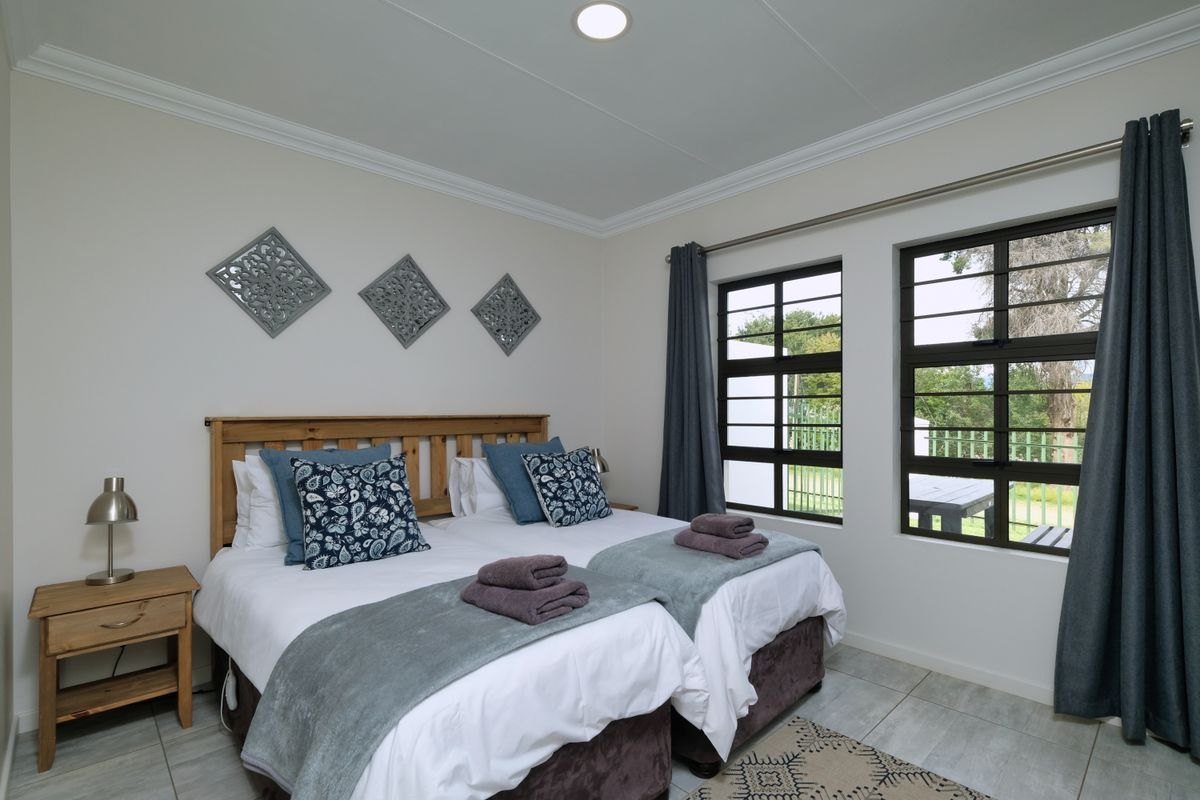
Write down who will sleep in each advertised bed, including anyone using a cot or a sofa bed. A capacity figure describes the maximum occupancy, not the number of bedrooms or the comfort of a particular arrangement. Ask whether twin beds remain separate, whether a double is one mattress, and whether any sleeping place must be assembled each night. For a family with an early sleeper and a teenager, the ability to close a bedroom door may matter more than an extra bathroom.
For example, imagine two adults, a nine-year-old and a teenager sharing one bedroom plus a sofa bed. Putting both children in the bedroom may preserve an evening lounge only if the adults can wait until later to unfold their own bed. Giving the bedroom to the adults does the opposite: the lounge closes when the younger child sleeps. Neither arrangement is automatically wrong, but they describe quite different evenings. Discuss this assignment before comparing that property with a two-bedroom flat.
Follow the evening through the flat
Imagine the apartment at half past eight, with one child asleep and everyone else still awake. Can adults reach the kitchen without crossing the sleeping area? Does the bathroom open directly into a bedroom? A sofa bed may occupy the only route to the balcony or block a cupboard once unfolded. Request a floor plan or an explanation of the room connections, since wide-angle photographs rarely answer these questions. Also check where bags and spare bedding will go while the bed is open.
Check whether the stated bed arrangement is guaranteed or merely available on request. A host may need notice to separate linked beds or provide additional linen. Include arrival timing in the message so the sleeping places can be ready when needed. If the group changes, update the booking rather than assuming the same capacity allows any combination of adults and children.
Match the arrangement to your family
Do not assign a bunk, folding bed or cot simply because it increases capacity. Obtain its details and use the manufacturer's age and use instructions when deciding whether it suits the intended occupant. Bring any essential familiar sleep item within your luggage allowance, while checking what bedding the host supplies. Room-darkening shutters or curtains are worth asking about if daylight changes your child's routine. Confirm their presence in the specific bedroom rather than relying on a general amenity list.
Resolve the compromise before paying
Compare two realistic nightly routines, not just two prices. A larger property might allow quiet evenings, while a smaller one could work well for a short trip if everyone shares similar hours. Record the agreed bedding arrangement in the booking conversation. If the host cannot identify the beds and their locations clearly, keep looking: discovering a misunderstood sleeping place after a late flight is much harder to solve than rejecting an unsuitable listing.