Family stays
Choose sleeping arrangements for a family apartment
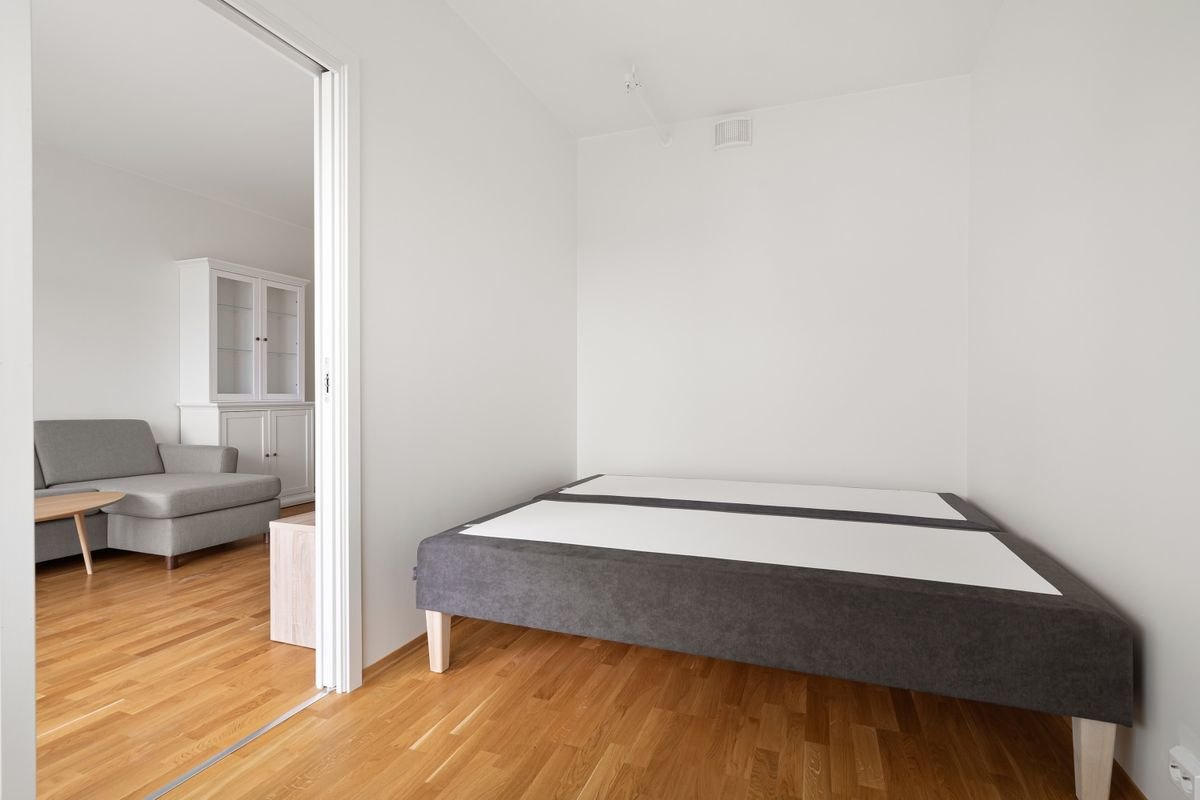
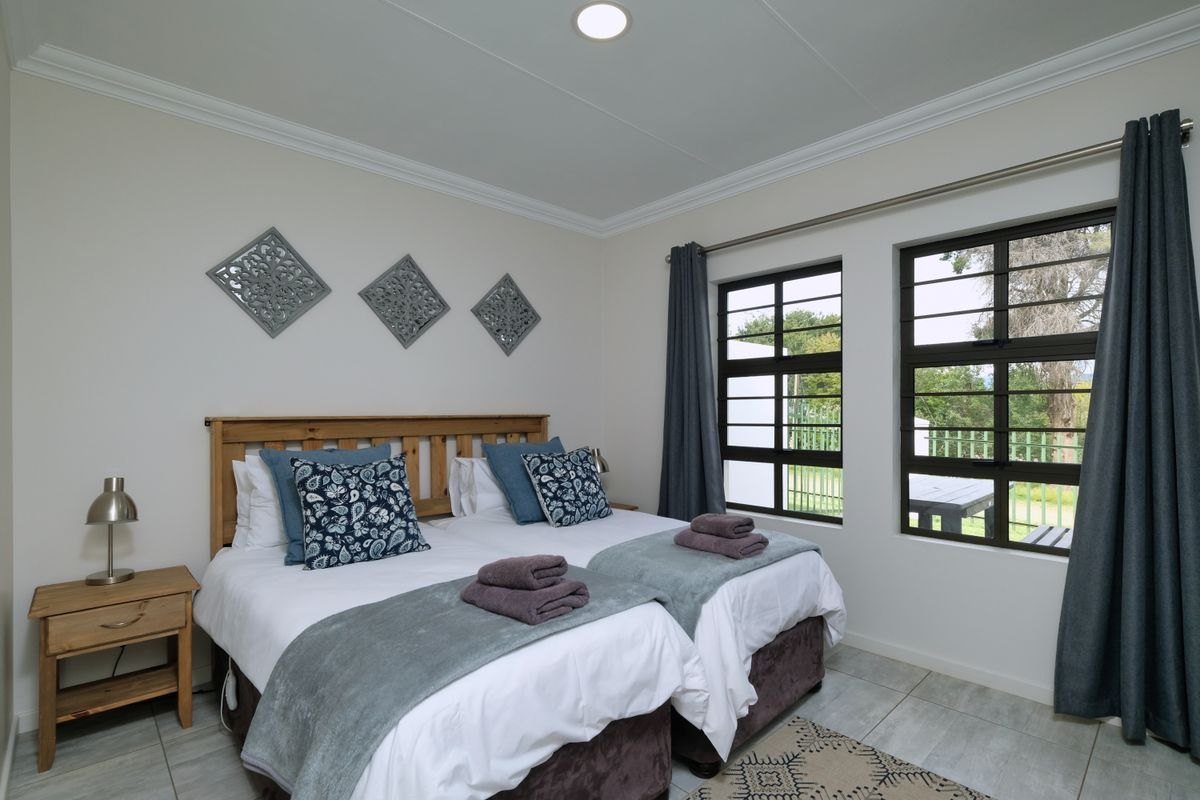
An apartment that sleeps six can offer several very different nights. Allocate actual beds before choosing a family layout.
Plan sleeping arrangements, shorter outings and the everyday details of travelling together.
26 guides
An apartment that sleeps six can offer several very different nights. Allocate actual beds before choosing a family layout.
Make arrival evening a short sequence of achievable jobs, with food and sleep taking priority over sightseeing.
Balcony and window details deserve specific questions before a family booking, followed by a careful check on arrival.
A beach apartment earns its convenience on the return journey, when bags are heavier and everyone is ready for a break.
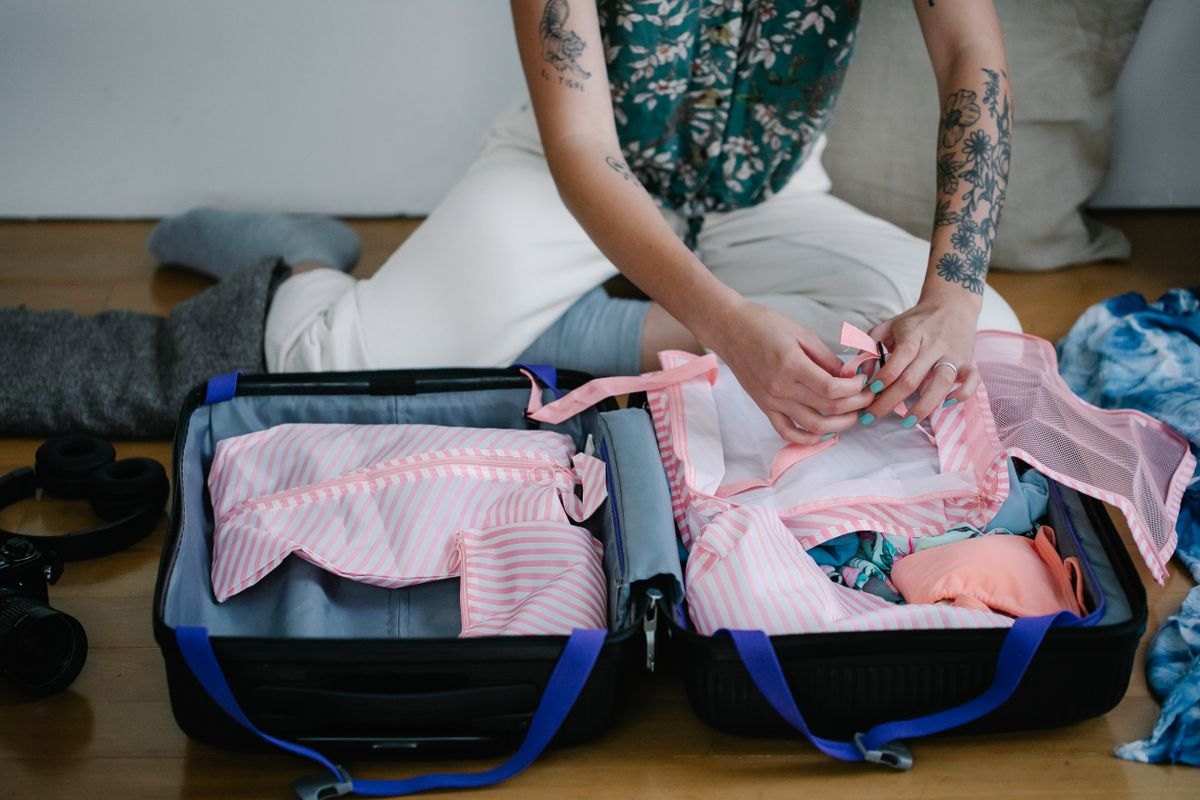
A planned laundry day can reduce family luggage, provided the machine and drying arrangements genuinely fit the stay.
An easy apartment breakfast uses a small number of familiar ingredients and equipment that everyone can manage.
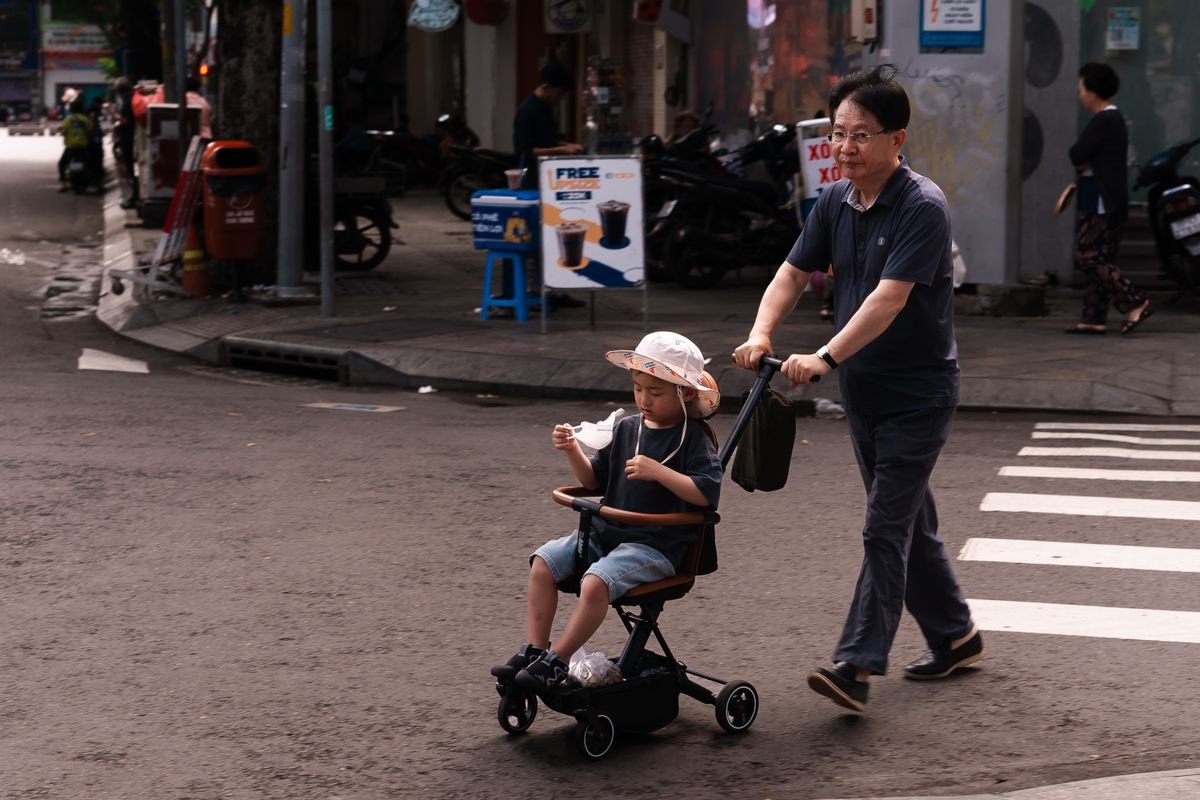
A buggy-friendly location depends on entrances, surfaces and crossings as much as the number of metres shown on a map.
Sharing with grandparents works best when bedroom choices, daily pace and private time are discussed before a property is booked.
Useful outdoor space is somewhere your family can actually sit, eat or take a break, with access and boundaries understood.
A rainy-day plan needs nearby options and a workable apartment routine, not a second holiday itinerary waiting in reserve.
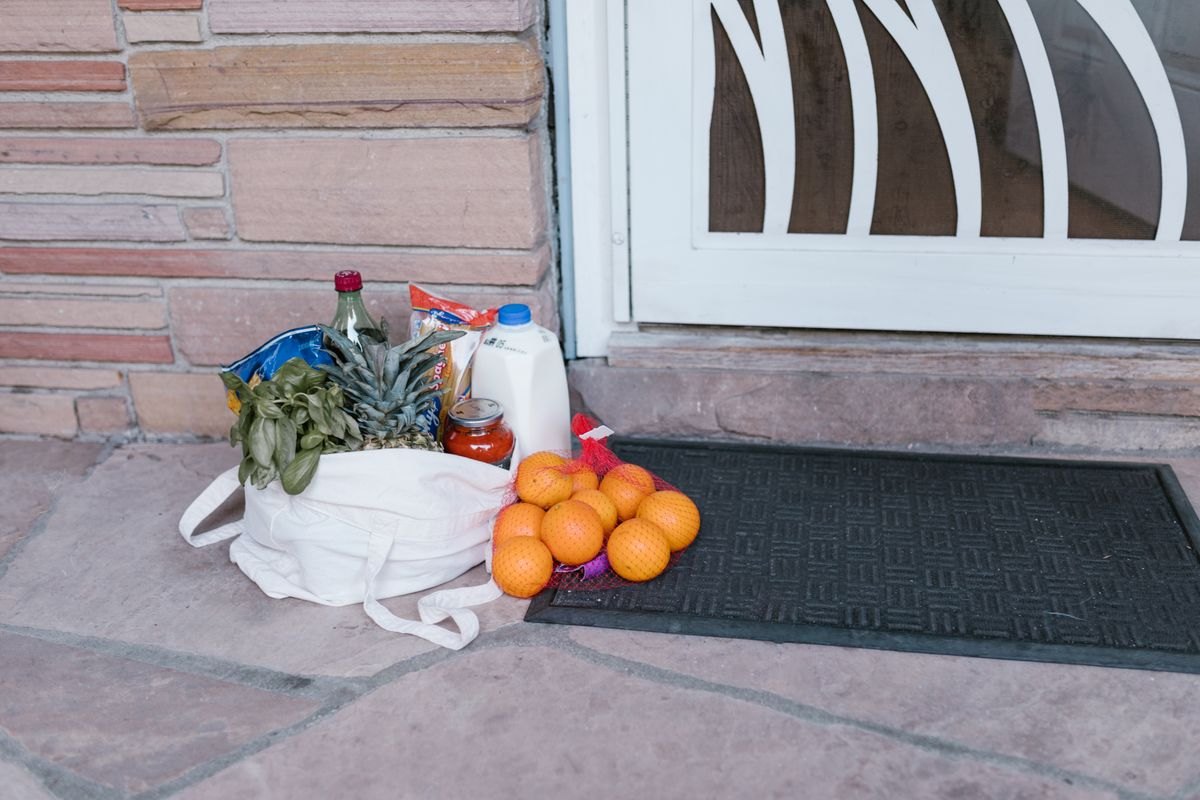
The first family food shop should cover a few confirmed meals and leave room to discover what the holiday kitchen can do.
A short apartment pause can make the day easier without turning every afternoon into a long return-and-restart exercise.
Beach equipment stays manageable when it has a carrying limit, a drying place and a clear route out of the living space.
A studio and a two-bedroom apartment can both accommodate a family, but their daily compromises are quite different.
An apartment can make toddler mealtimes more flexible when seating, preparation space and shopping are arranged around your existing routine.
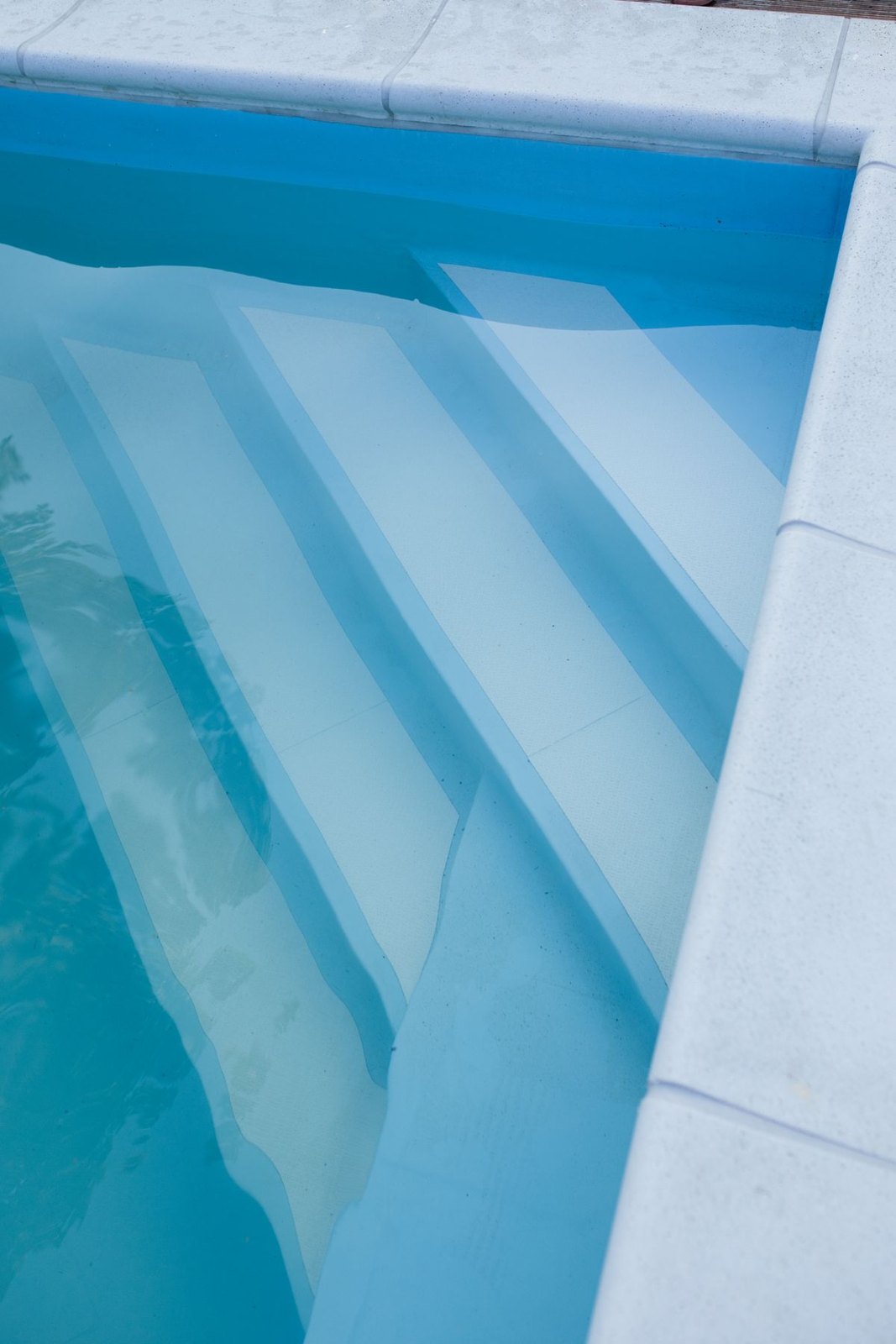
Pool photographs show the water; a family booking also needs to establish how the pool is reached, controlled and supervised.
A flexible family day out has one main purpose, a manageable journey and an easy point at which to head home.
Shared accommodation creates household work. Agreeing small, visible jobs helps keep that work from falling to the booking organiser.
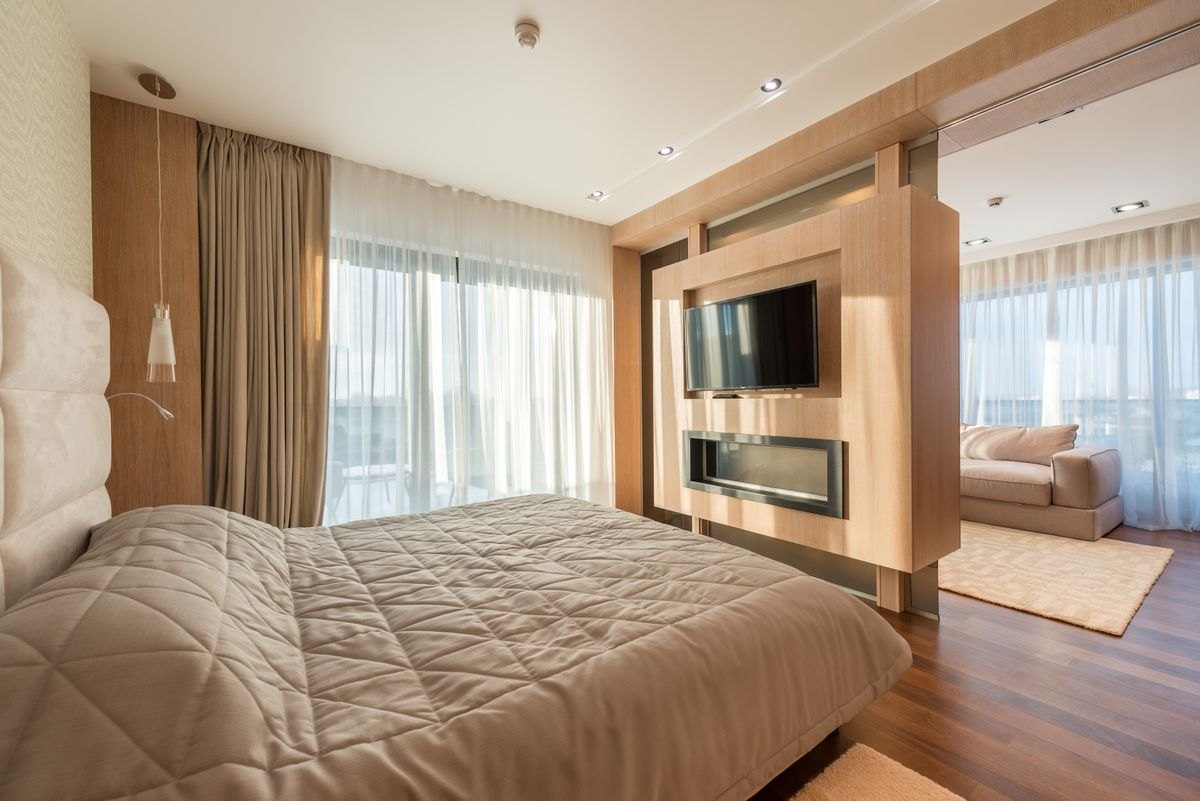
When the living room becomes a bedroom, bedtime affects the whole apartment. Plan the transition before deciding the layout is suitable.
For short outings with children, a neighbourhood's ordinary streets and nearby stops matter as much as its headline attractions.
The hours between apartment checkout and a late flight need their own plan, especially when children and luggage are involved.
Children of different ages do not need identical activities all day, but they do need a plan that feels fair and manageable.
A small apartment can support a longer family stay if storage, sleeping arrangements and daily resets are designed around real use.
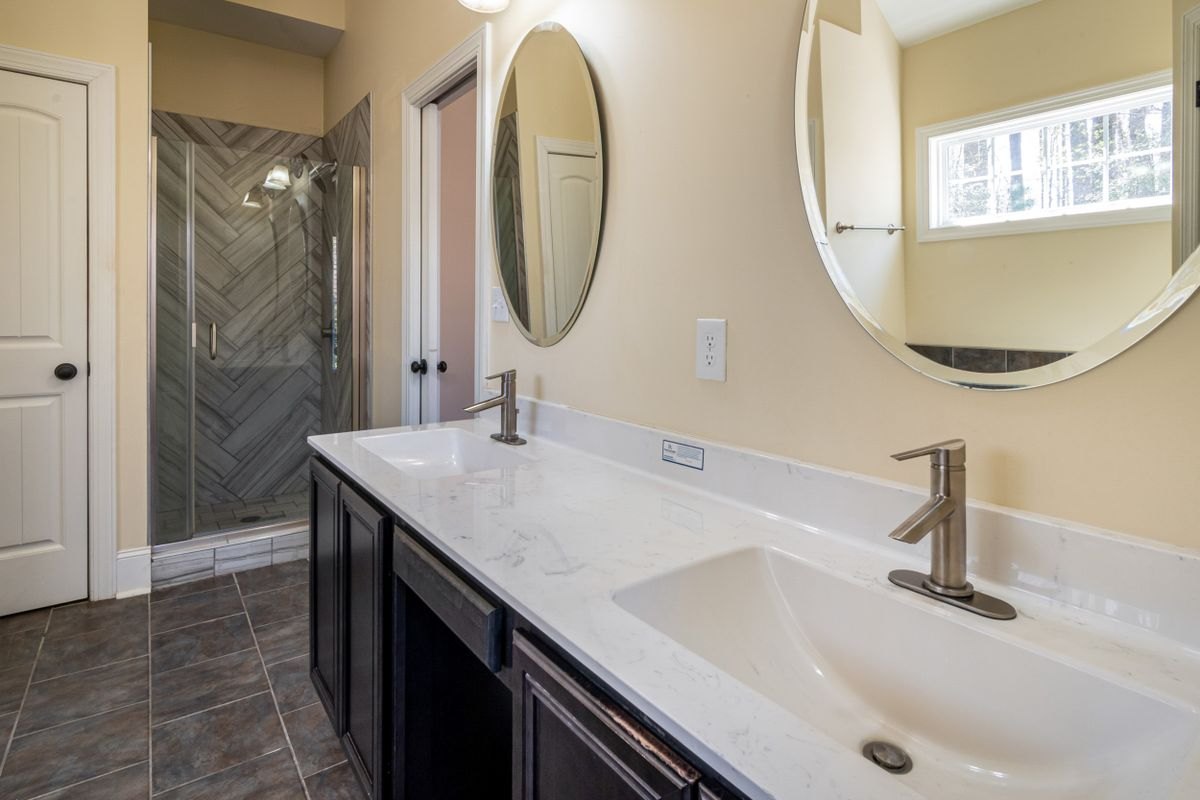
Bathroom numbers are only the start. A larger family needs to know where the facilities are and how morning routines will fit.
A shared holiday budget is easier to follow when accommodation, groceries and optional activities each have an agreed rule.
A simple departure routine keeps the last morning focused on leaving the apartment correctly and reaching the next stage of the journey.
No guides match. Try a place name, a shorter phrase or reset the filters.