Where to stay
Barcelona: choosing between the Gothic Quarter and Eixample
Compare the street pattern, apartment access and everyday journeys before choosing between two very different parts of Barcelona.
Find a destination, compare apartment features or work through the details of travelling together.
148 guides
Compare the street pattern, apartment access and everyday journeys before choosing between two very different parts of Barcelona.
Compare the journeys you will repeat, then investigate the bedroom and building rather than relying on a neighbourhood's reputation.
Valencia's historic centre and seaside offer different starting points; choose around the days you expect to repeat.
Use the river crossing, your sightseeing plans and the actual building entrance to compare Santa Cruz and Triana.
Choose between historic streets and waterfront access by comparing the part of Malaga you will use most often.
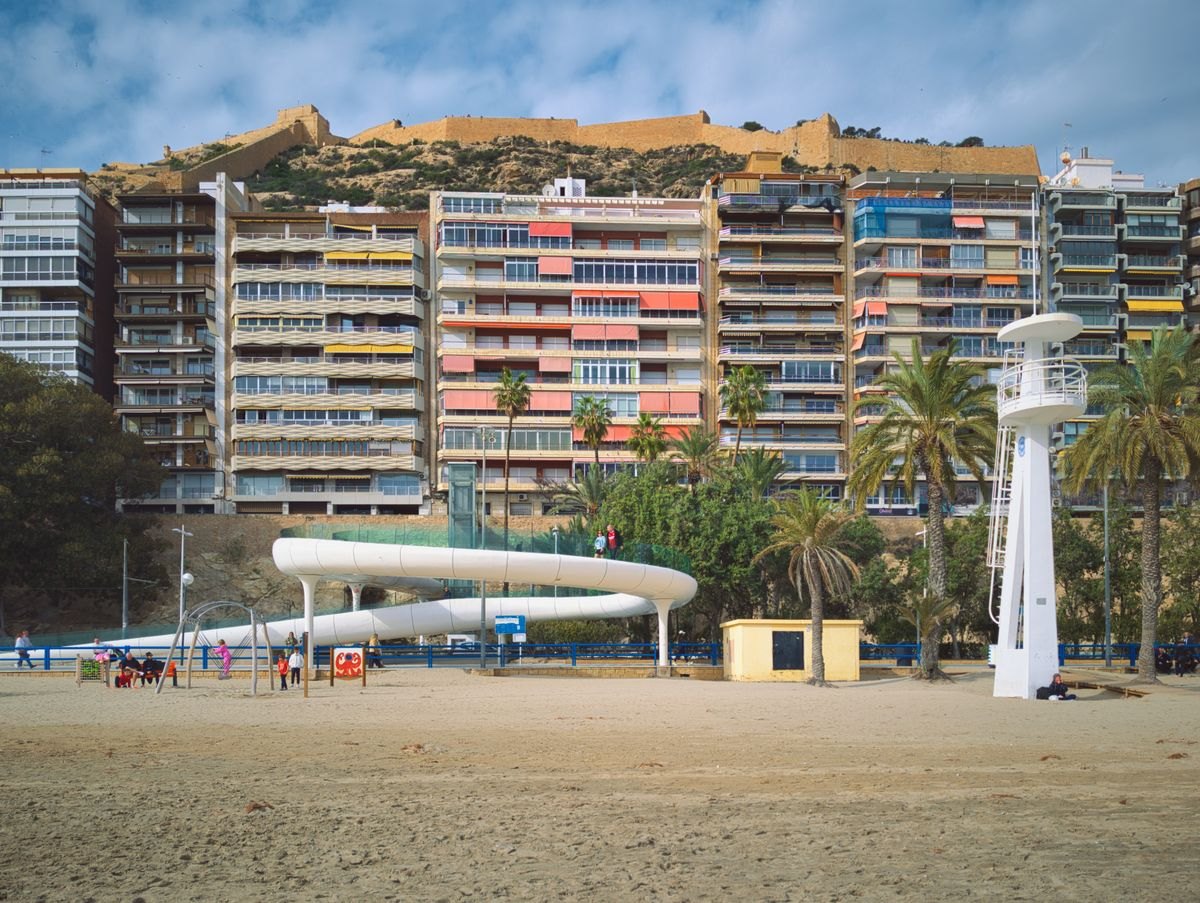
Compare the route to Postiguet with the everyday trips that make a self-catering Alicante stay comfortable.
Granada's elevation changes make the whole arrival and shopping route important, especially for an Albaicin apartment.
Choose a Cordoba apartment that supports early outings, a useful break indoors and a comfortable return after dinner.
An old-city apartment in Cadiz can combine urban walks with beach time, provided the chosen beach fits the address.
Bilbao's old town and wider centre support different routines; use the estuary and your main visits to compare them.
Compare the centre and Gros through beach plans, sleeping arrangements and the way your group intends to spend its evenings.
A Palma apartment suits an urban Mallorca stay when the daily plan includes streets, shopping and cultural visits as well as the sea.
The right Girona old-town apartment starts with a workable arrival route and a realistic understanding of steps and levels.
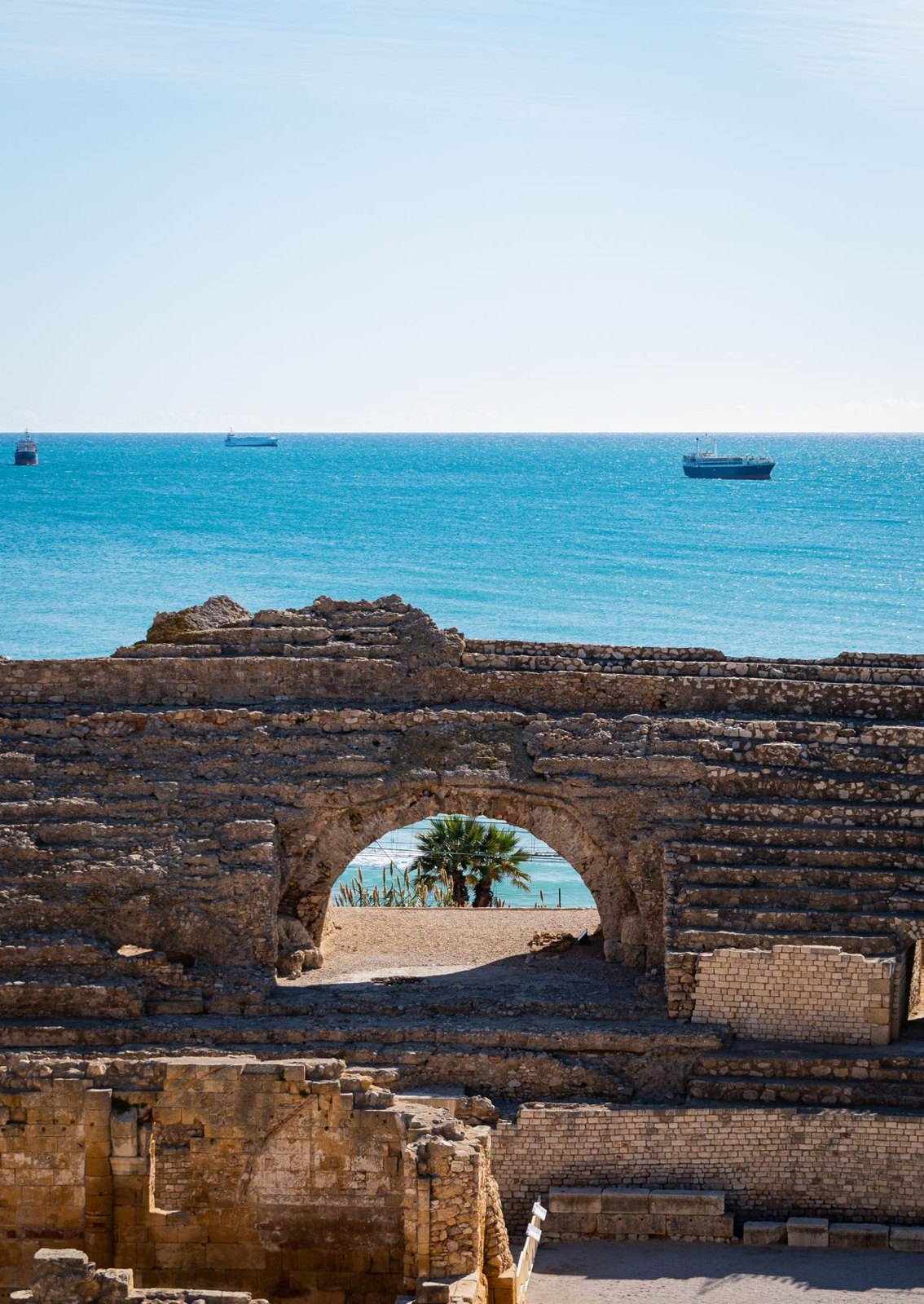
Treat Tarragona's historic centre and beach as separate daily destinations, then find an apartment that links your preferred routine.
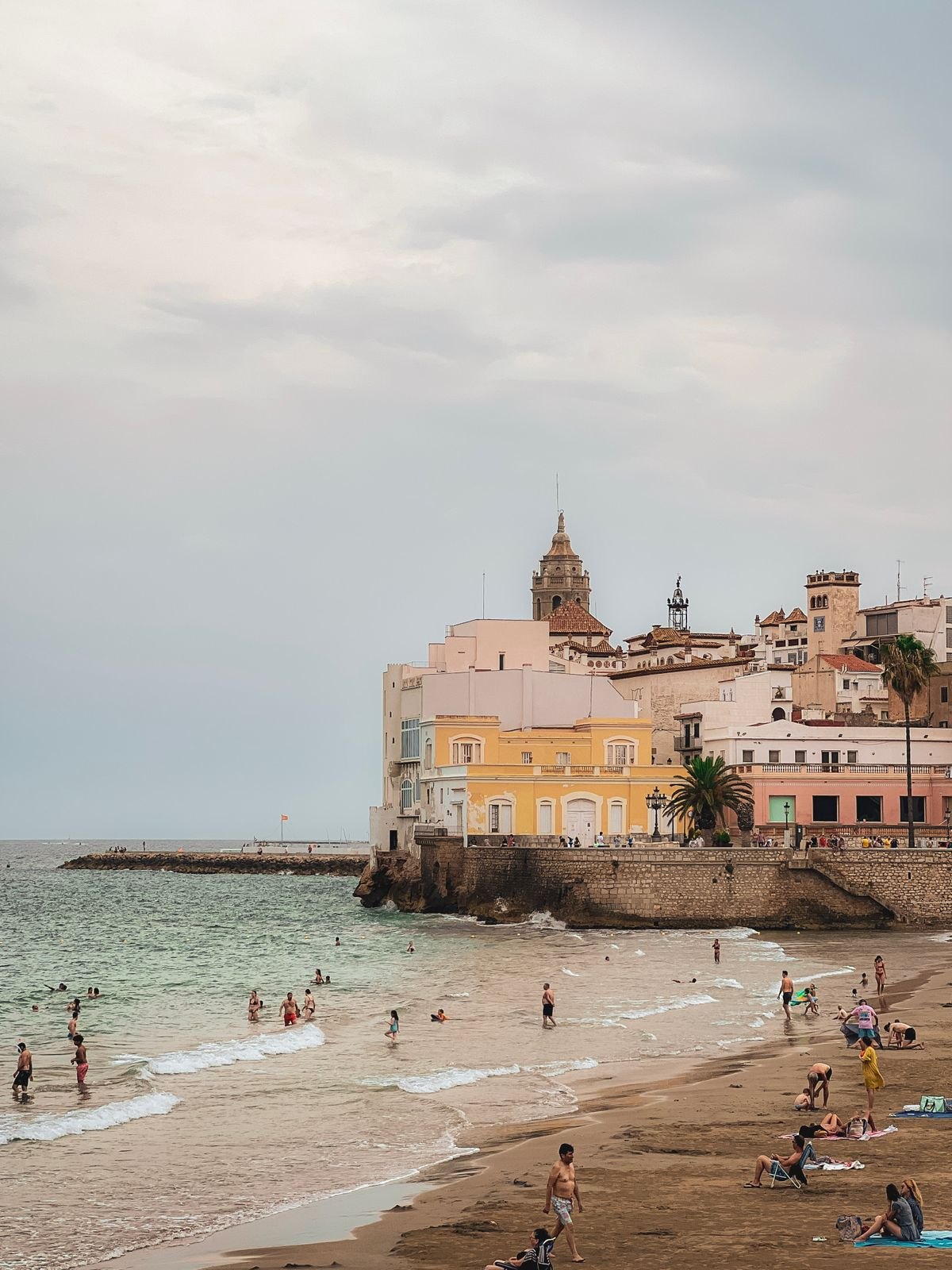
A car-free Sitges stay depends on the whole journey, from arrival with luggage to the final evening's return home.
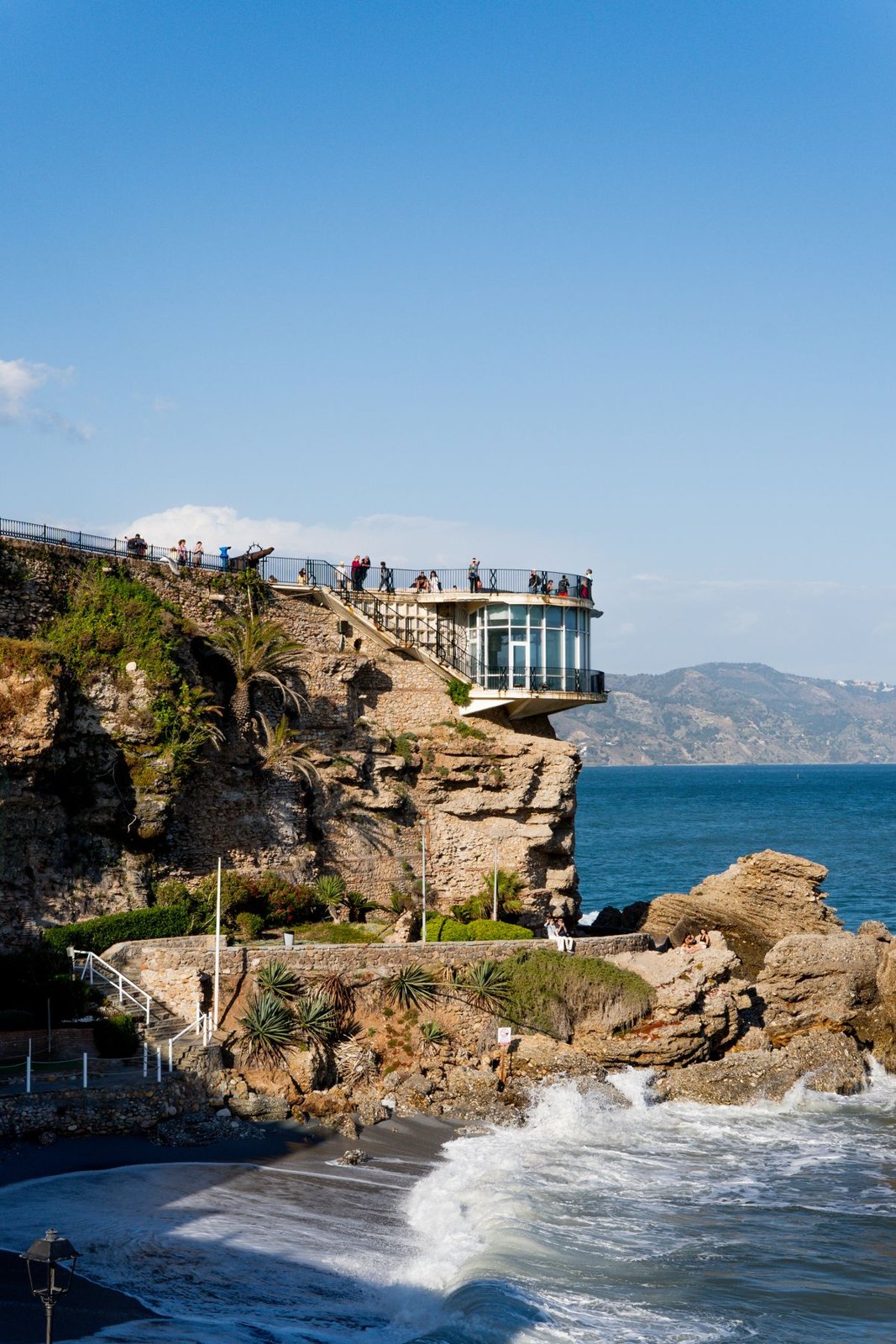
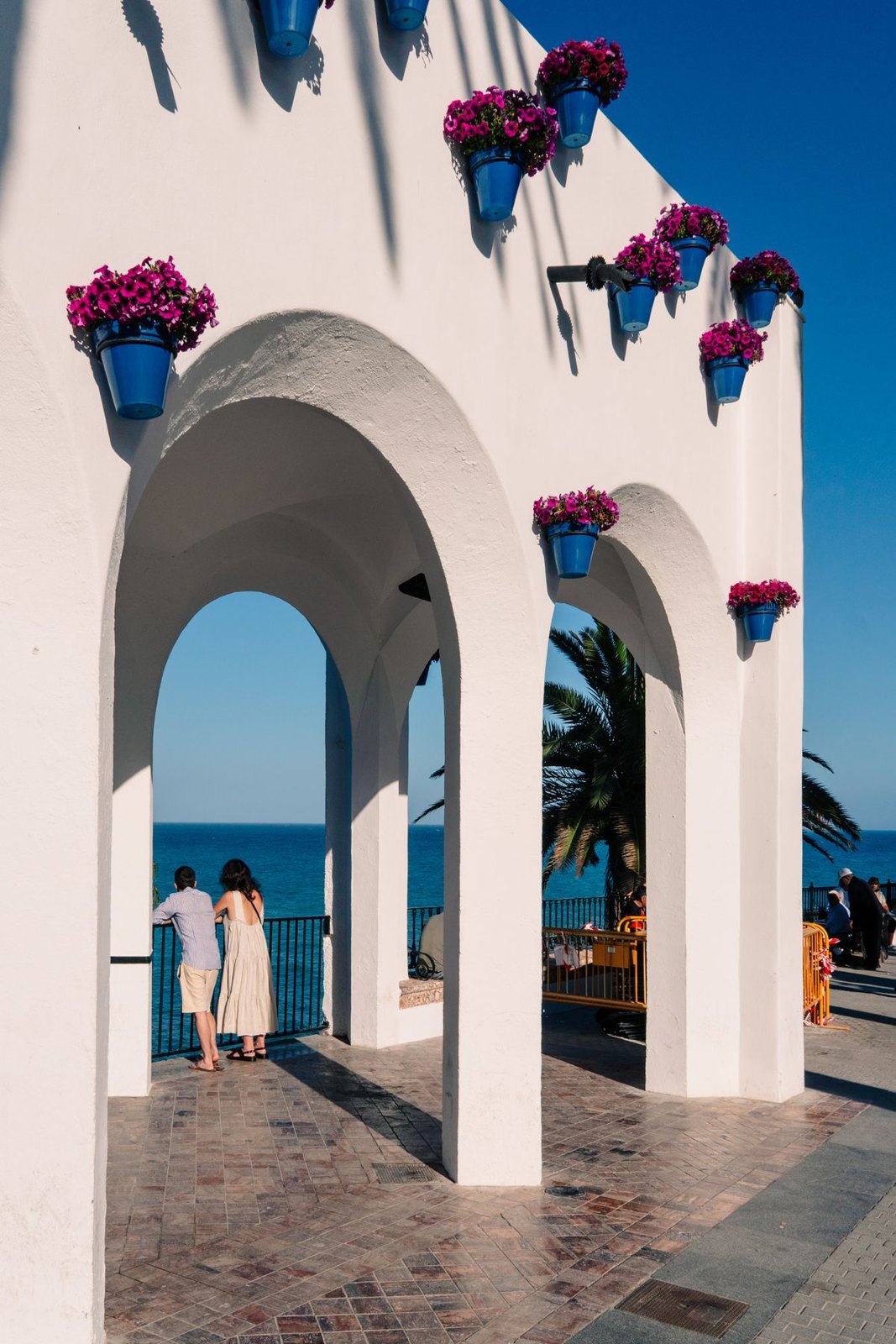
Nerja's town centre and beaches sit at different levels in places; choose around the beach you will actually use.
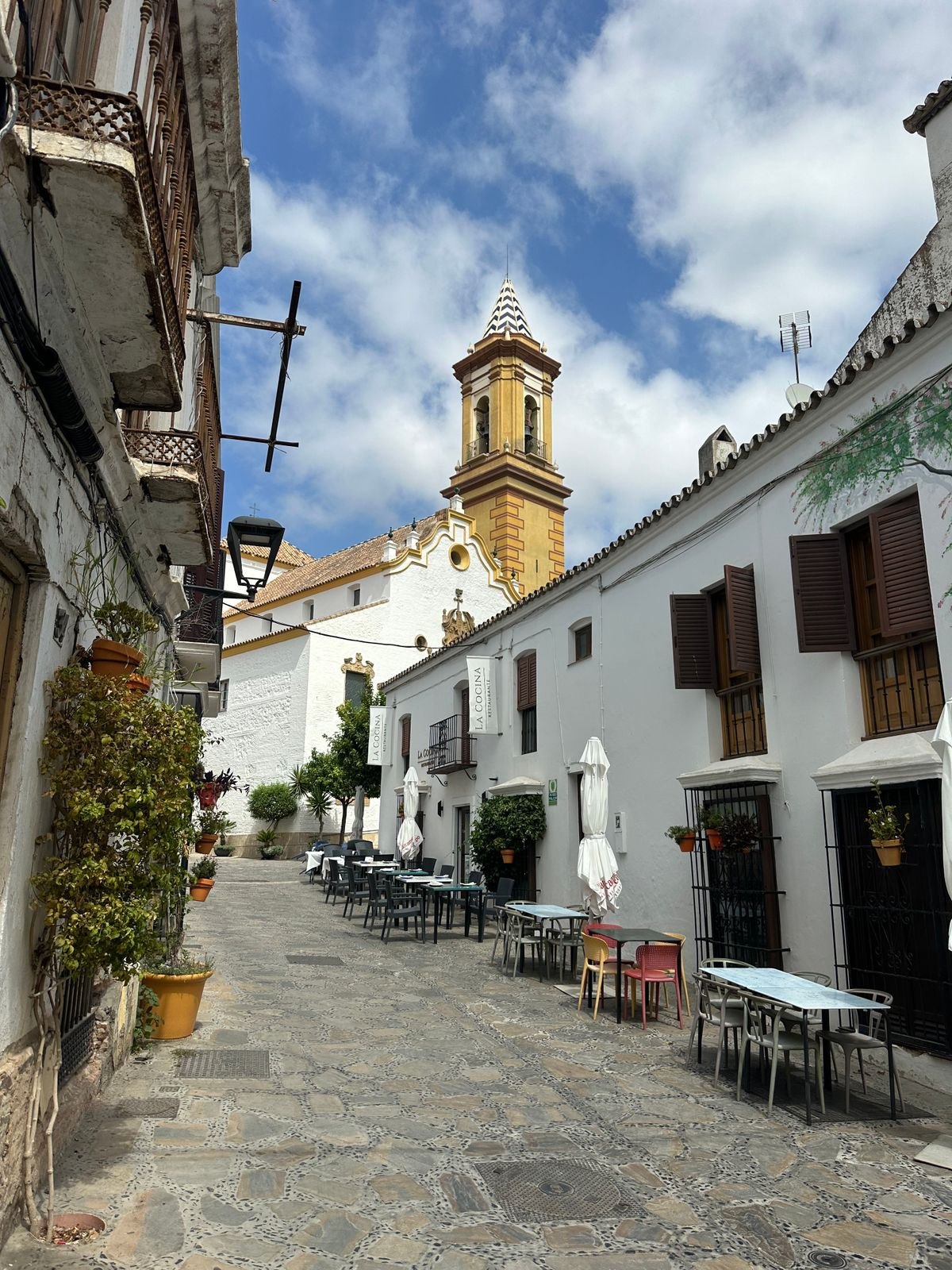
Check whether an Estepona listing really serves the old town and La Rada, rather than a more distant stretch of coast.
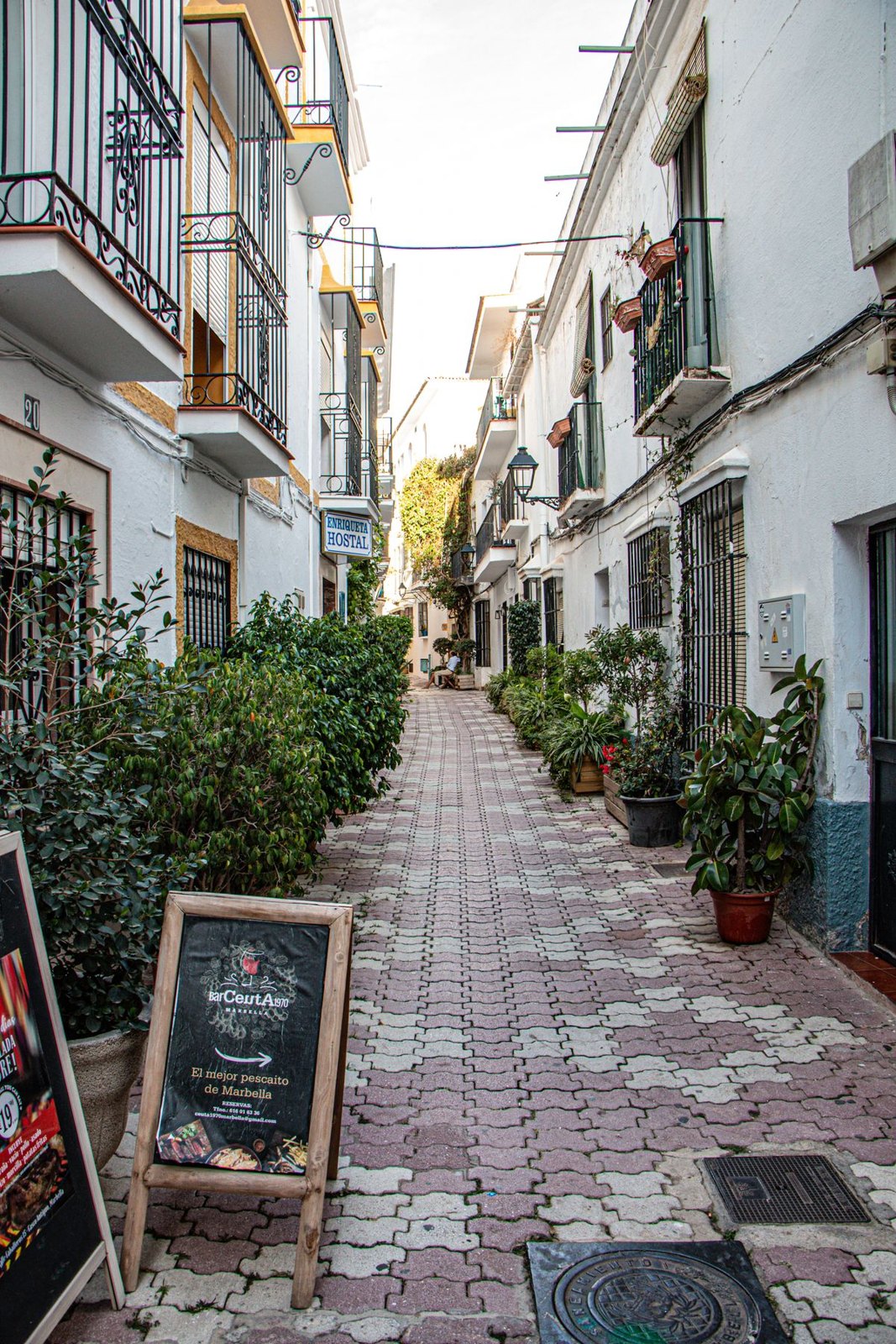
Marbella covers more than one holiday setting; establish the actual distance to the old town before booking a beach address.
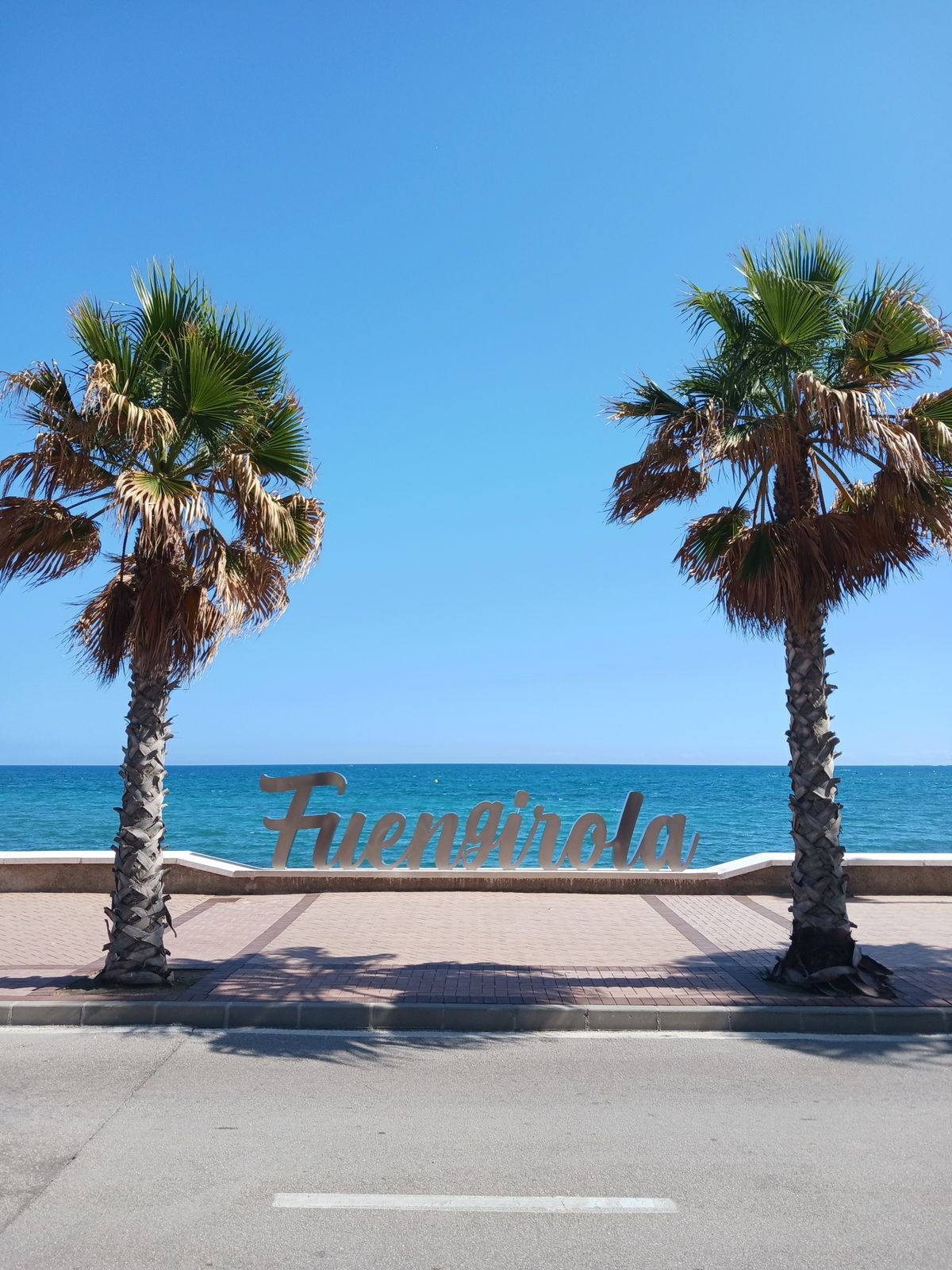
Use Fuengirola's rail stops and long seafront to narrow the search, then verify the final walk to your apartment.
Torremolinos' town-to-beach routes can involve slopes, steps or lifts; investigate the exact connection before choosing a base.
Benalmadena Pueblo, Arroyo de la Miel and the coast are different bases; the shared destination name does not make them interchangeable.
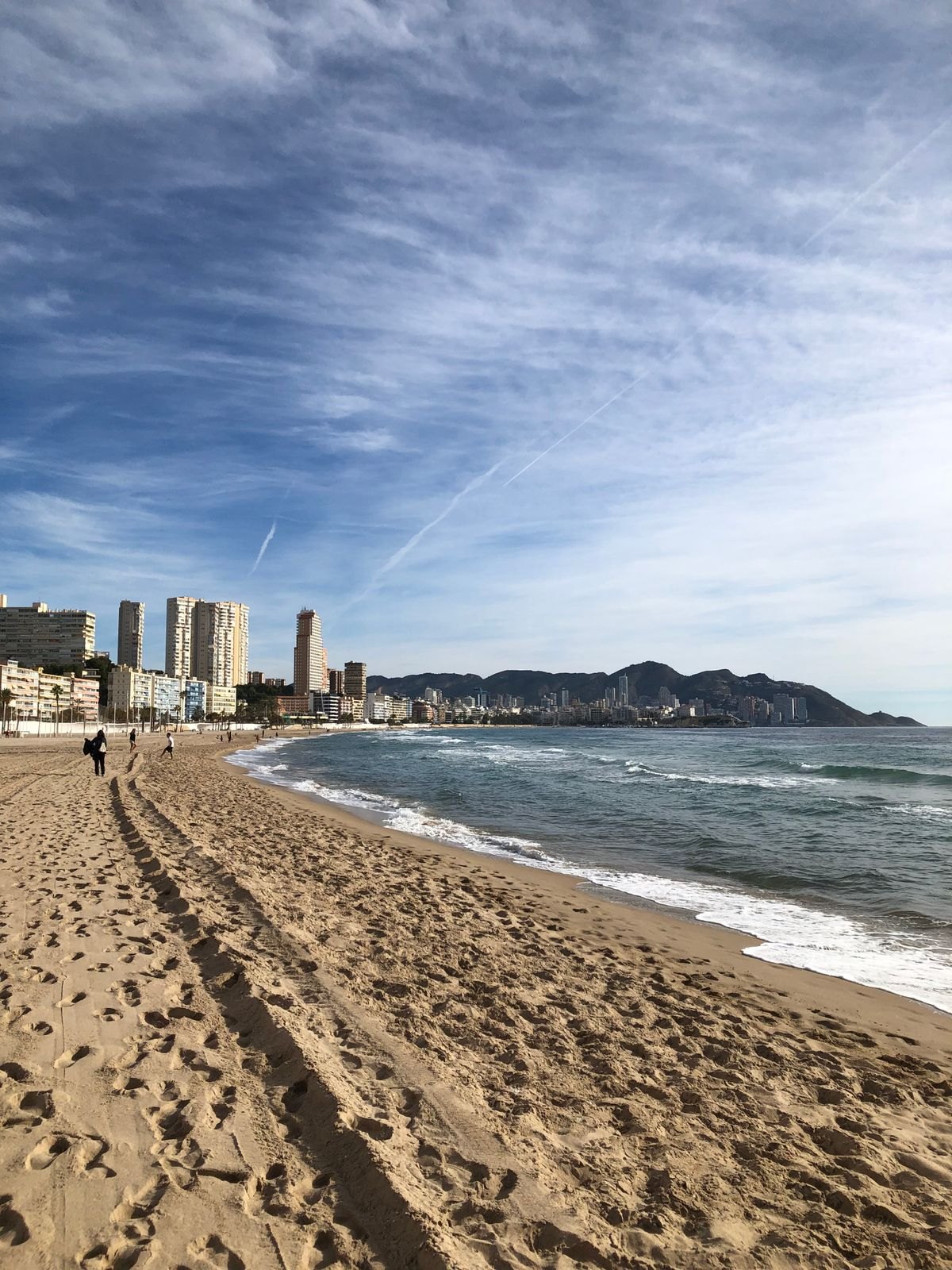
Choose a Benidorm beach area by the route and apartment layout you need, rather than by a broad resort reputation.
Altea's hilltop streets and lower seafront offer different daily efforts; compare the climb as carefully as the view.
Calpe's beaches, town streets and the Rock of Ifach are useful landmarks, but only the exact route establishes everyday convenience.
Denia's town centre and long coastal accommodation areas require different plans for shopping, dining and getting around.
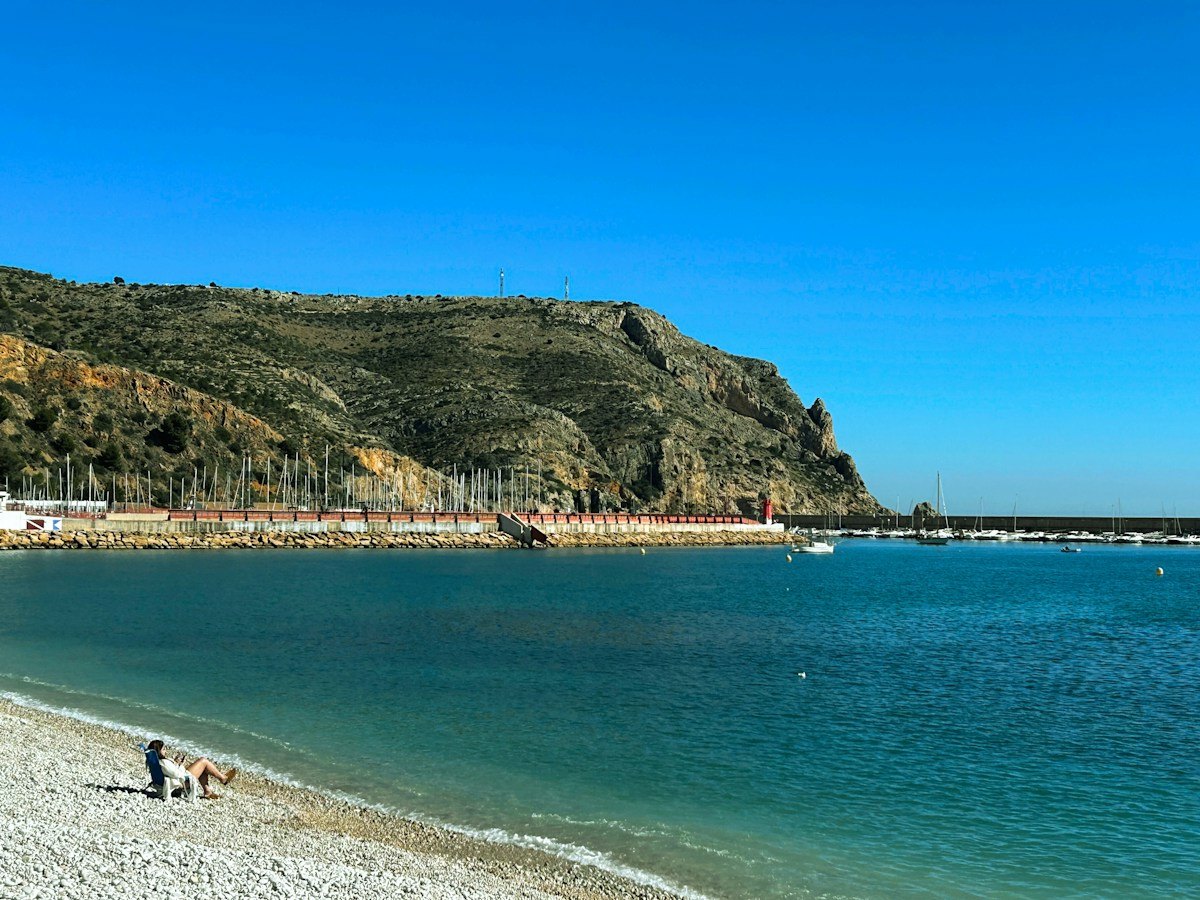
Javea's historic centre, port and Arenal form three useful accommodation reference points, each supporting a different routine.
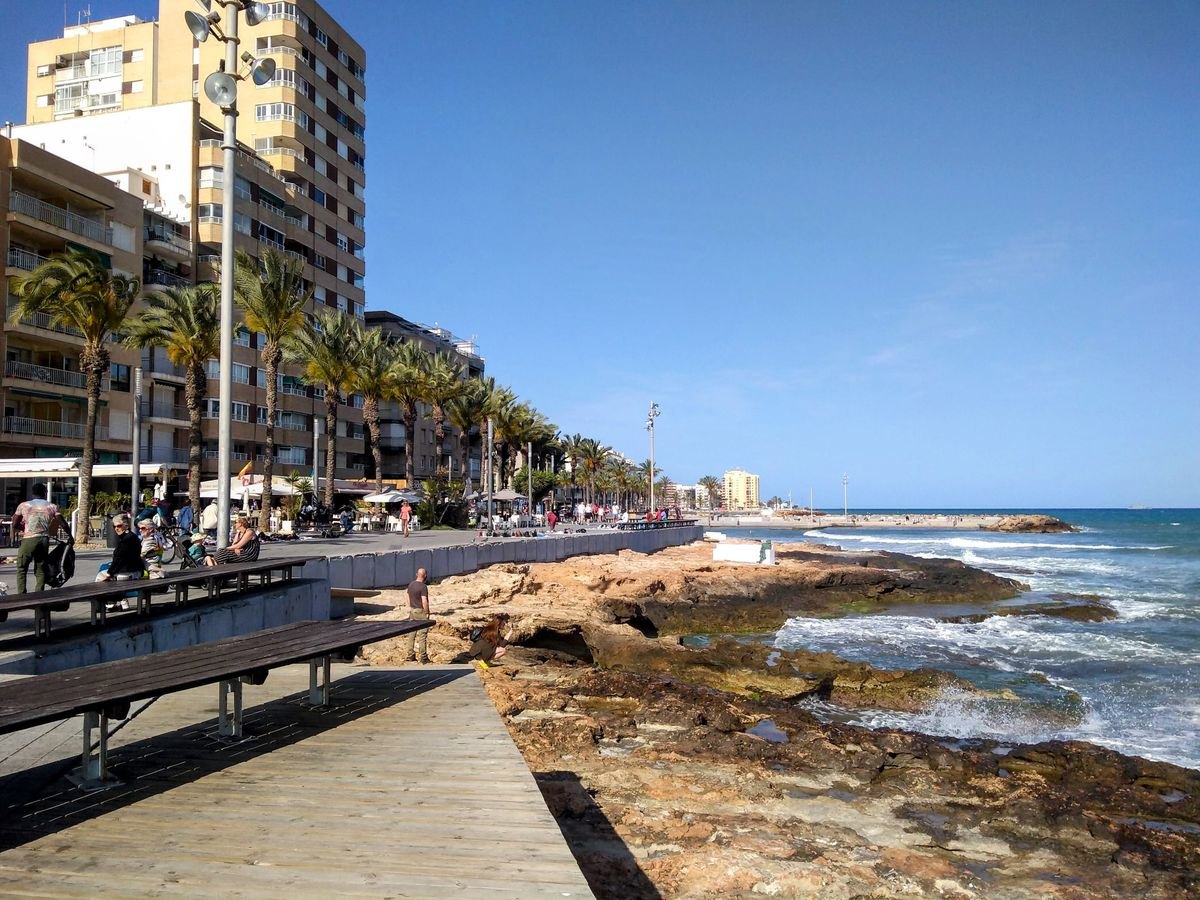
A Torrevieja sea view is only one feature; test the route to usable beach access, shops and your arrival point.
Choose a Salou apartment around your main activity, whether that is beach time, town outings or a planned theme-park visit.
For a walkable Puerto de la Cruz stay, compare your apartment's actual level and errands instead of relying on the town's compact appearance.
A Costa Adeje beach-distance claim needs a route check: entrances, crossings and the uphill return can change its practical meaning.
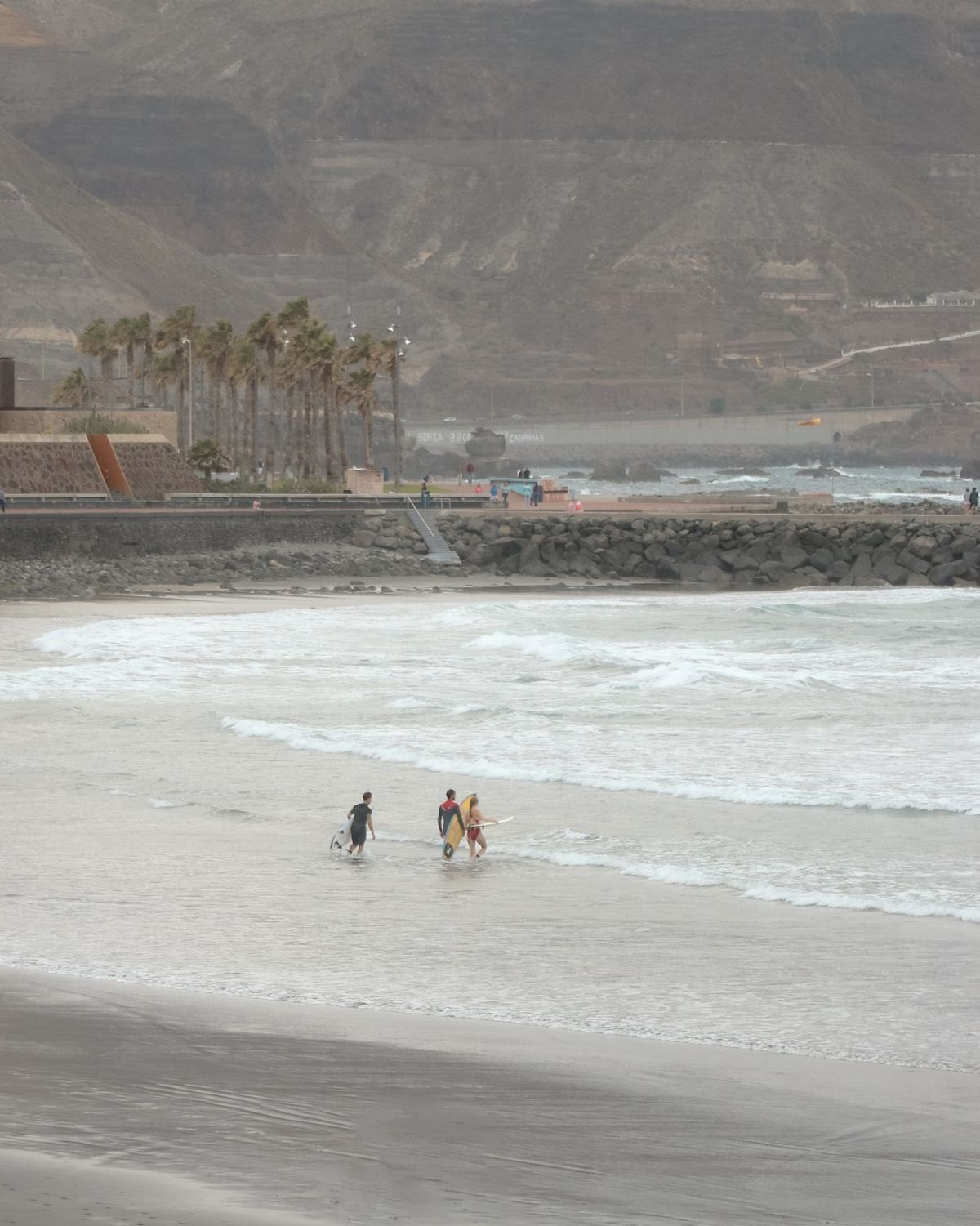
Las Canteras can anchor a city-and-beach stay, but choose the apartment around the specific section and city journeys you need.
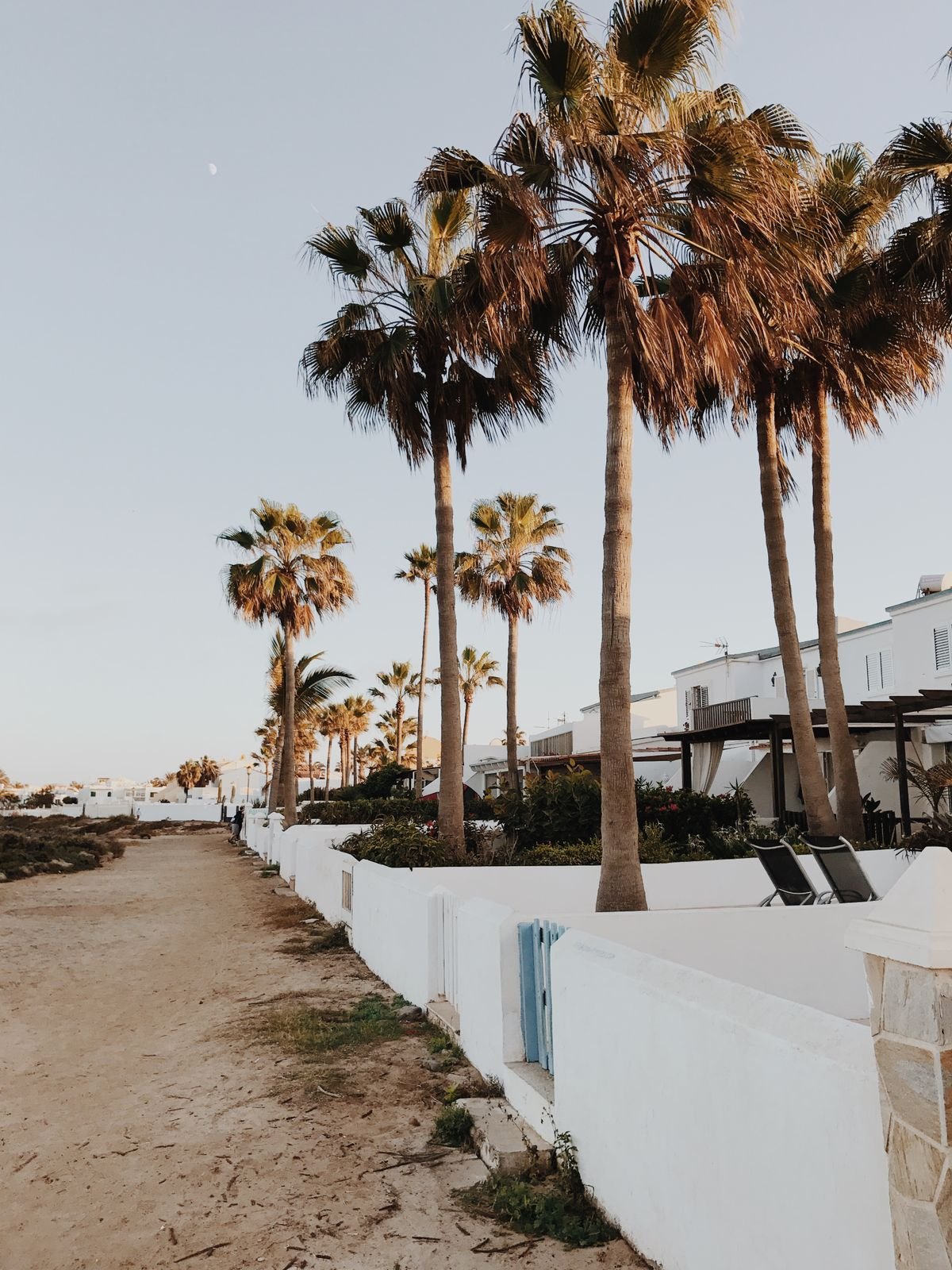
Corralejo town and the dunes landscape are different accommodation choices; decide which one belongs in the everyday routine.
Puerto del Carmen extends along the coast, so choose a specific beach area and check the climb from the waterfront to the apartment.
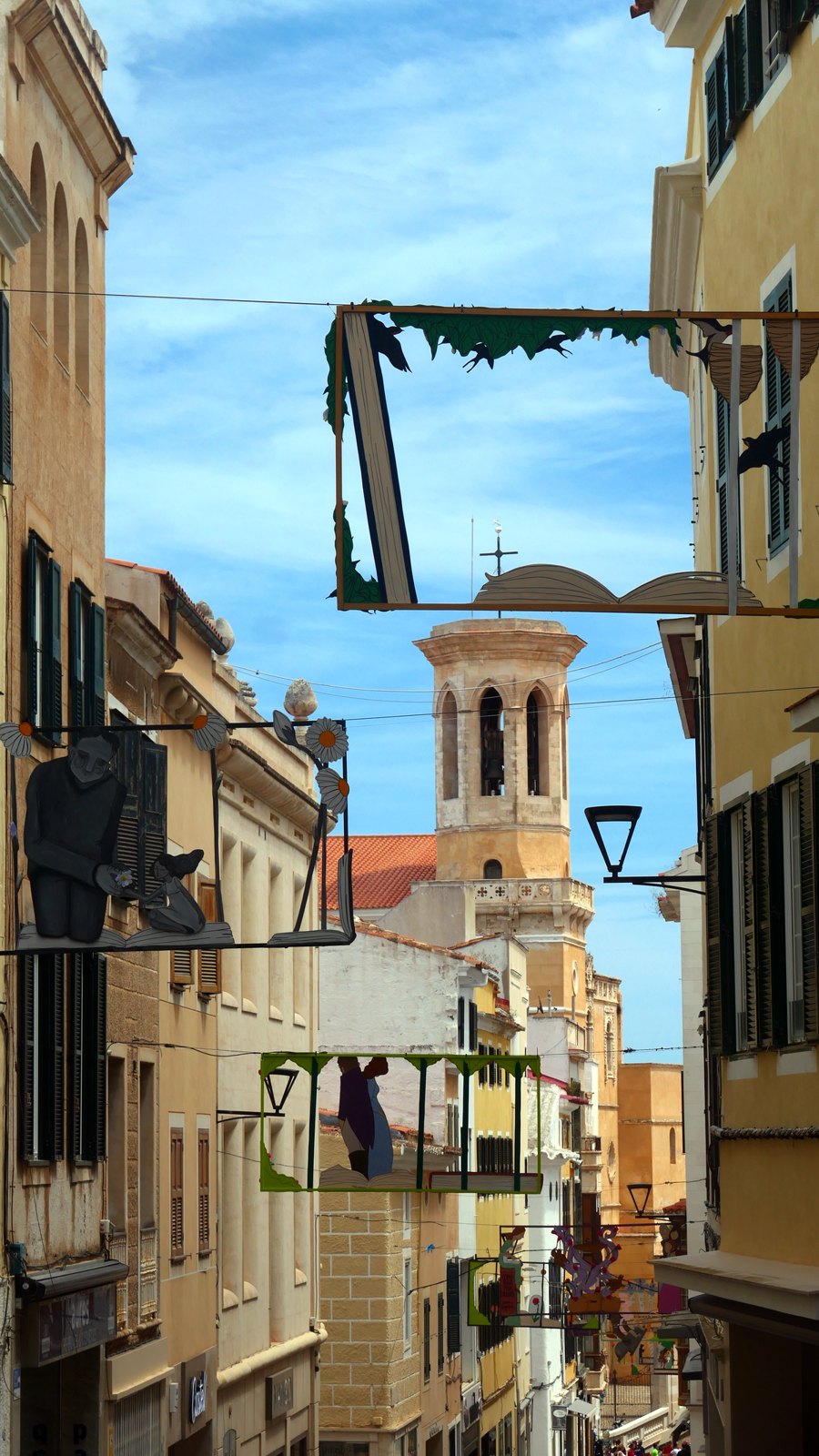
Mahon's town and harbour sit at different levels; check the journey between them before choosing a harbour-facing apartment.
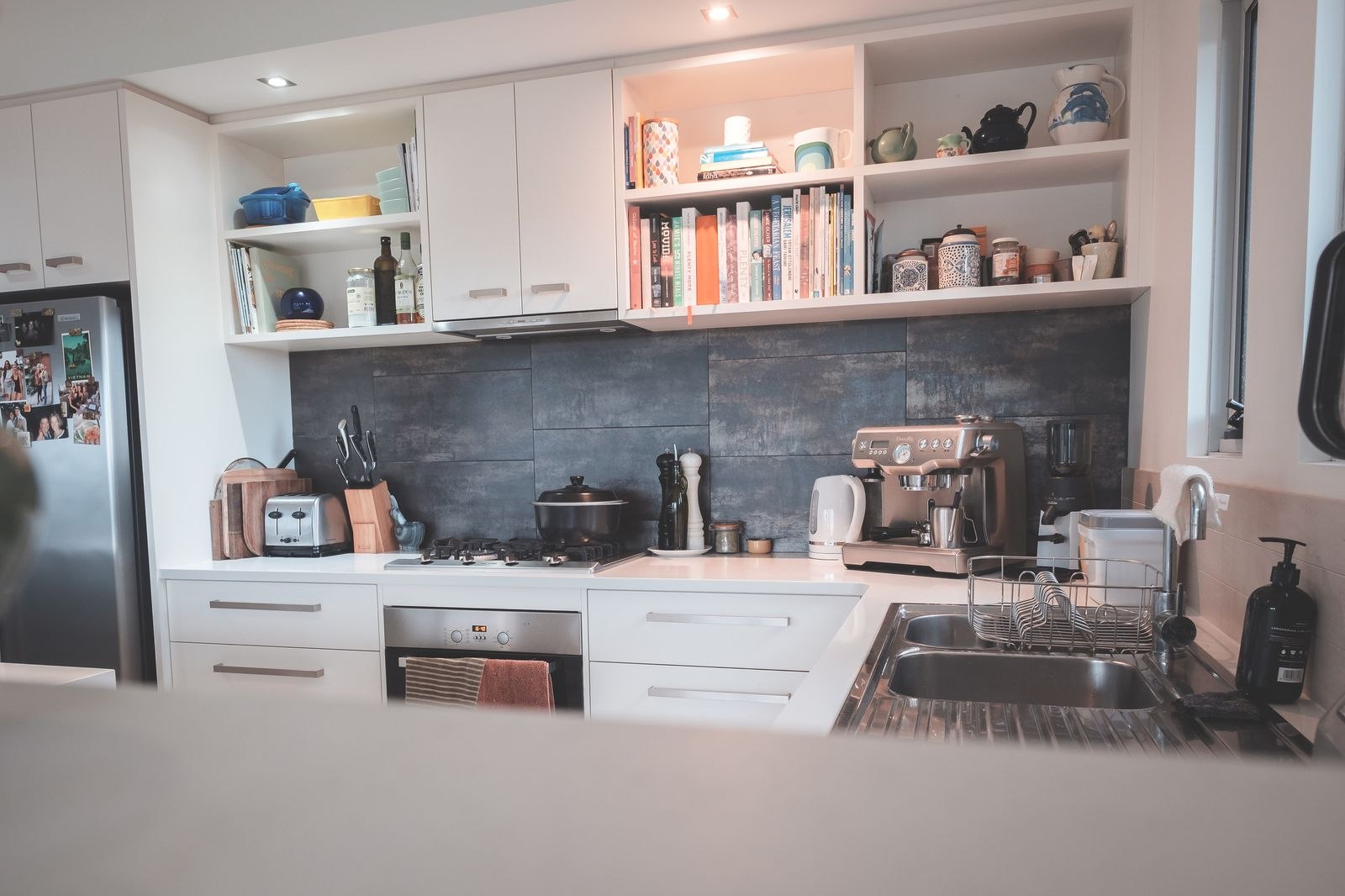
A kitchen photograph does not tell you what you can cook. Check the equipment against the meals you actually want to make.
An air-conditioning icon does not show which rooms are served or how the equipment can be used.
A guest capacity is a maximum allocation, not a description of how your group will sleep.
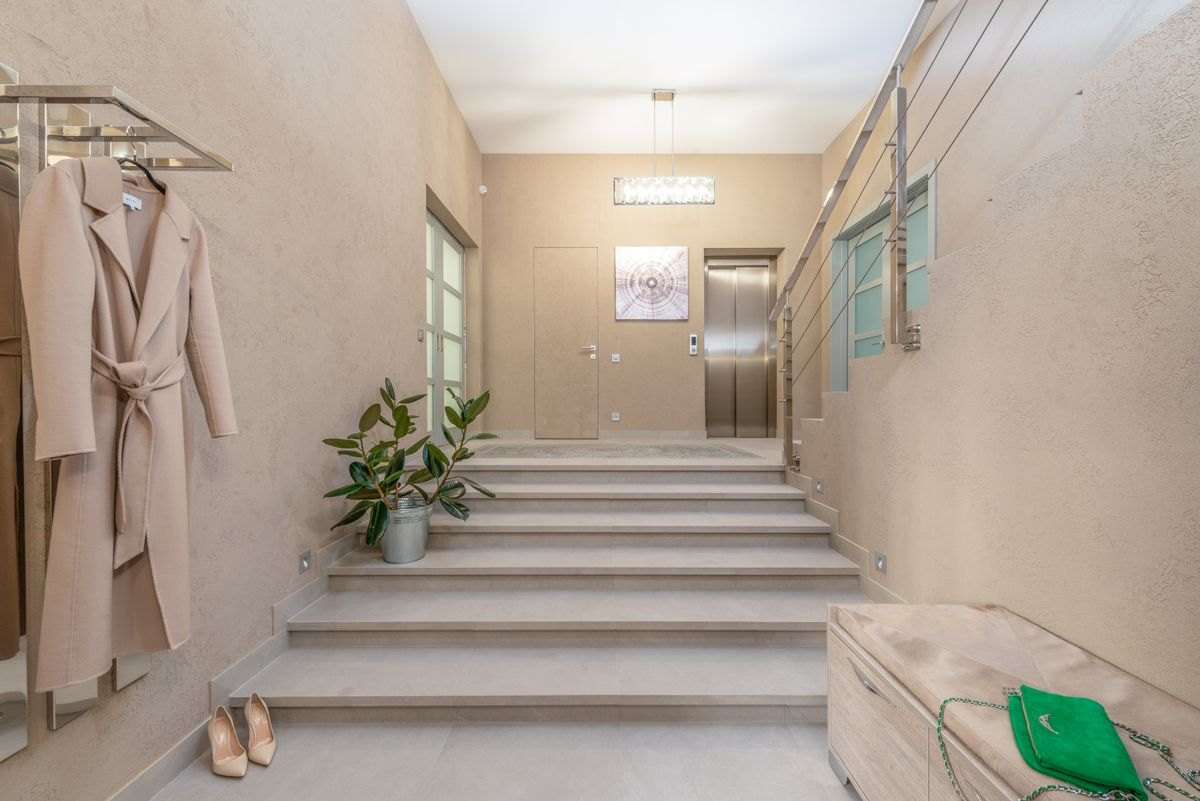
A lift in the building does not necessarily provide a step-free journey to the front door.
A balcony is useful when its size, access and surroundings fit the way you want to spend time outside.
Ask about the bedroom and the street at the times you will use them, rather than requesting a blanket promise of silence.
Check the connection where you will sit, and ask for evidence that matches your intended use.
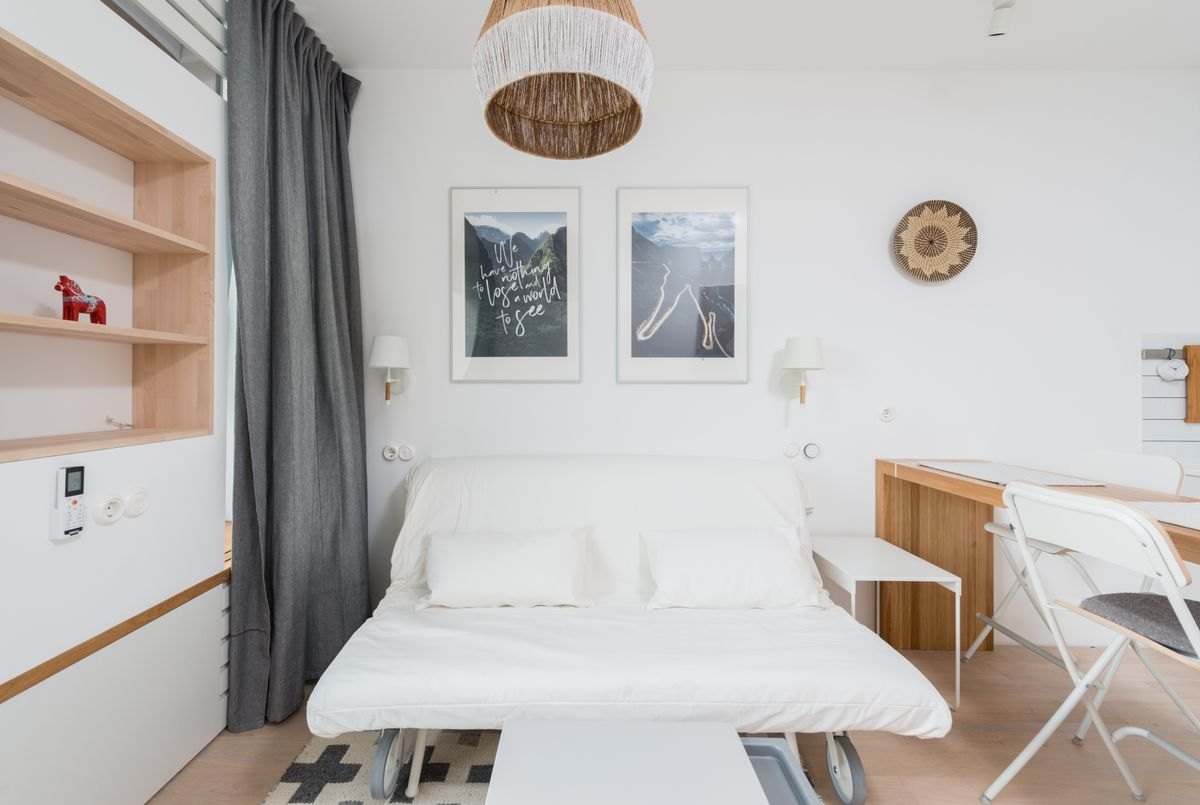
A sofa bed can change both sleeping comfort and the use of the living room throughout the stay.
One planned wash can reduce packing, but only if washing and drying fit the apartment's actual facilities.
A winter apartment needs a different set of questions from a summer listing with bright terrace photographs.
The number of bathrooms matters less when one is only accessible through somebody else's bedroom.
A shared pool is an amenity with its own access, season and rules. Confirm those details for the dates you are considering.
Compare the same dates, guests and services before deciding that one apartment is cheaper than another.
A late flight needs an arrival plan that reaches the apartment door, not just the destination airport.
Checkout time and departure time often leave a gap. Arrange that gap before assuming the apartment can hold your bags.
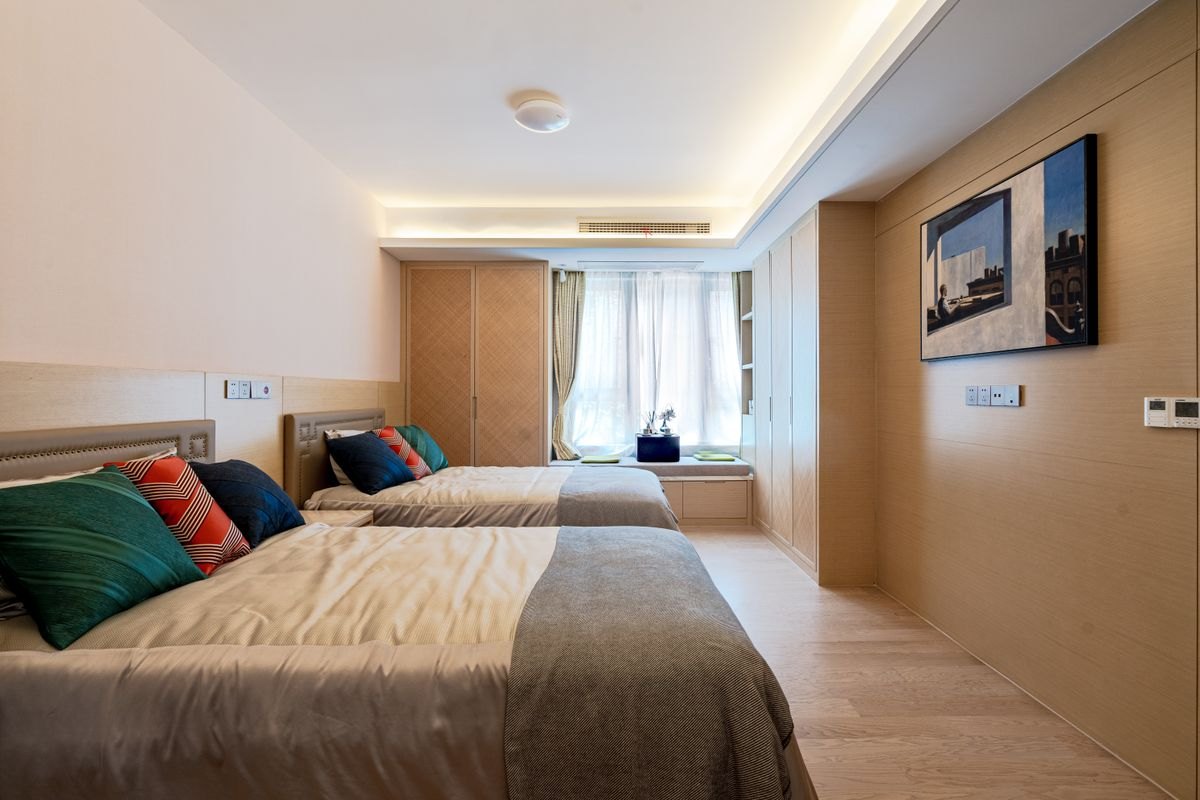
Treat listing photographs as a set of clues. Look for what is shown, what connects the rooms and what still needs confirmation.
Useful access questions describe the route and the traveller's requirements, rather than relying on a broad accessibility label.
Confirm the exact baby equipment, where it fits and how it will be handed over before choosing a family apartment.
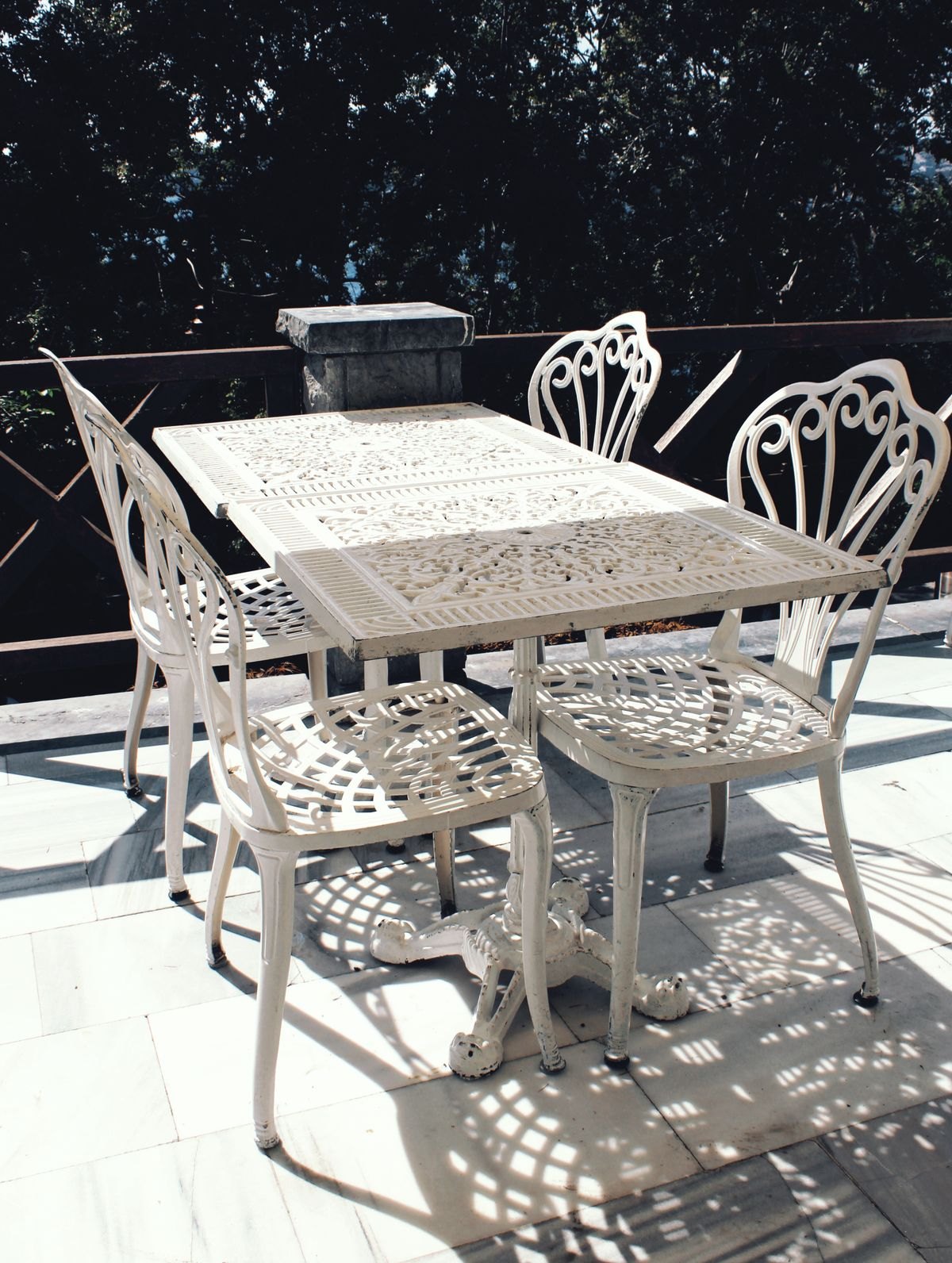
Outdoor space can be private, shared or accessible only at particular times. Establish which version the listing describes.
A compact fridge works best with a shopping rhythm that reflects its shelves, freezer space and the meals you will actually cook.
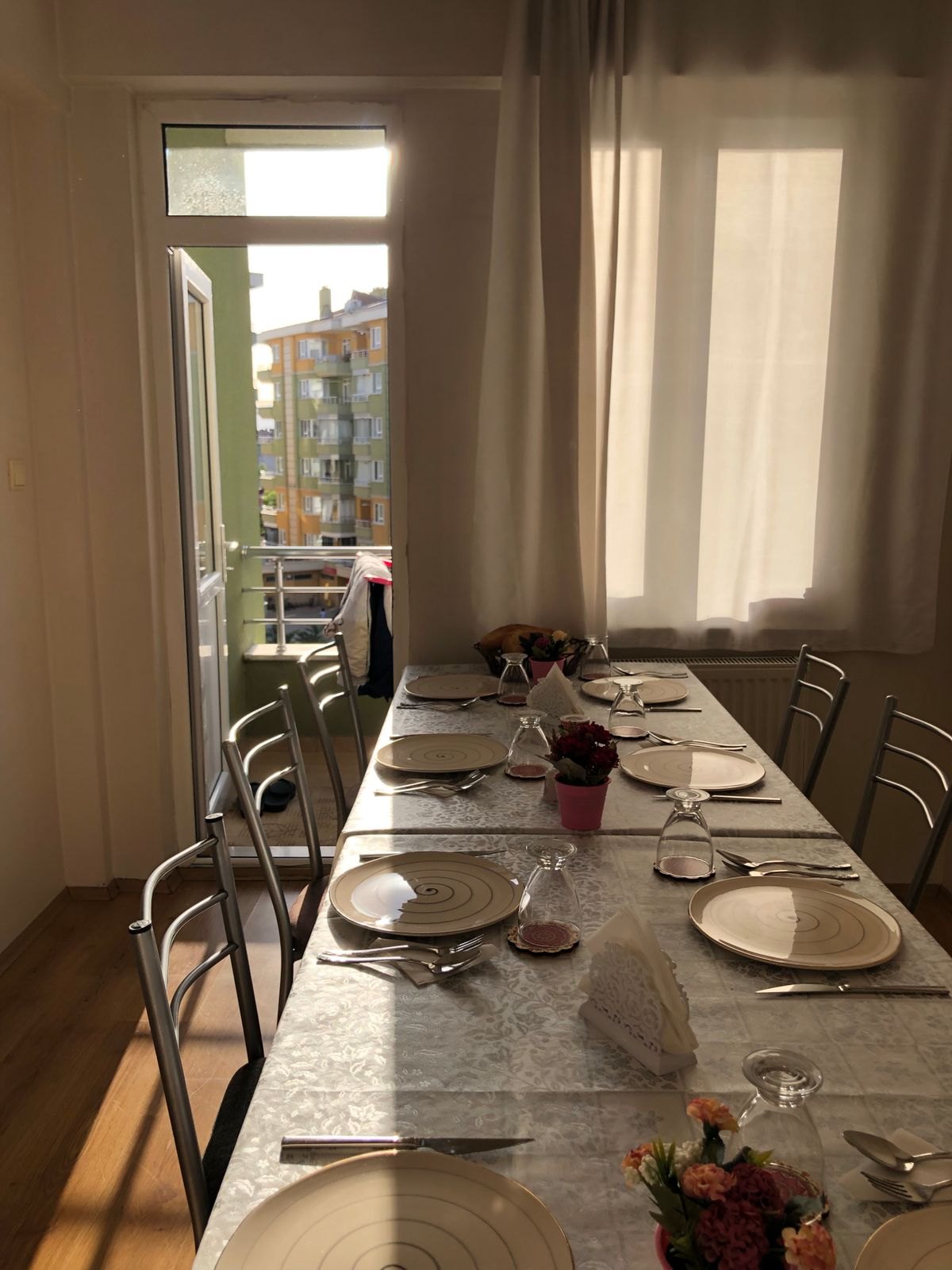
Count chairs, inspect the table and imagine a full meal before deciding that an apartment has enough dining space.
A parking symbol leaves several important questions unanswered, from the location of the bay to the size of the entrance.
Keep the details that explain what you booked, how you will arrive and who can help in one accessible place.
Clarify arrival cleaning, any mid-stay service and departure tasks so the apartment routine matches your expectations.
Check quantities, replacement arrangements and any separate pool or beach rules before deciding what to pack.
Choose between open space and a separate bedroom by looking at how your day begins and ends.
The machine is only one part of the laundry arrangement. Confirm its location, controls and the space available for drying.
For a cooler-season stay, check the equipment in each room and the terms of use rather than relying on a heating symbol.
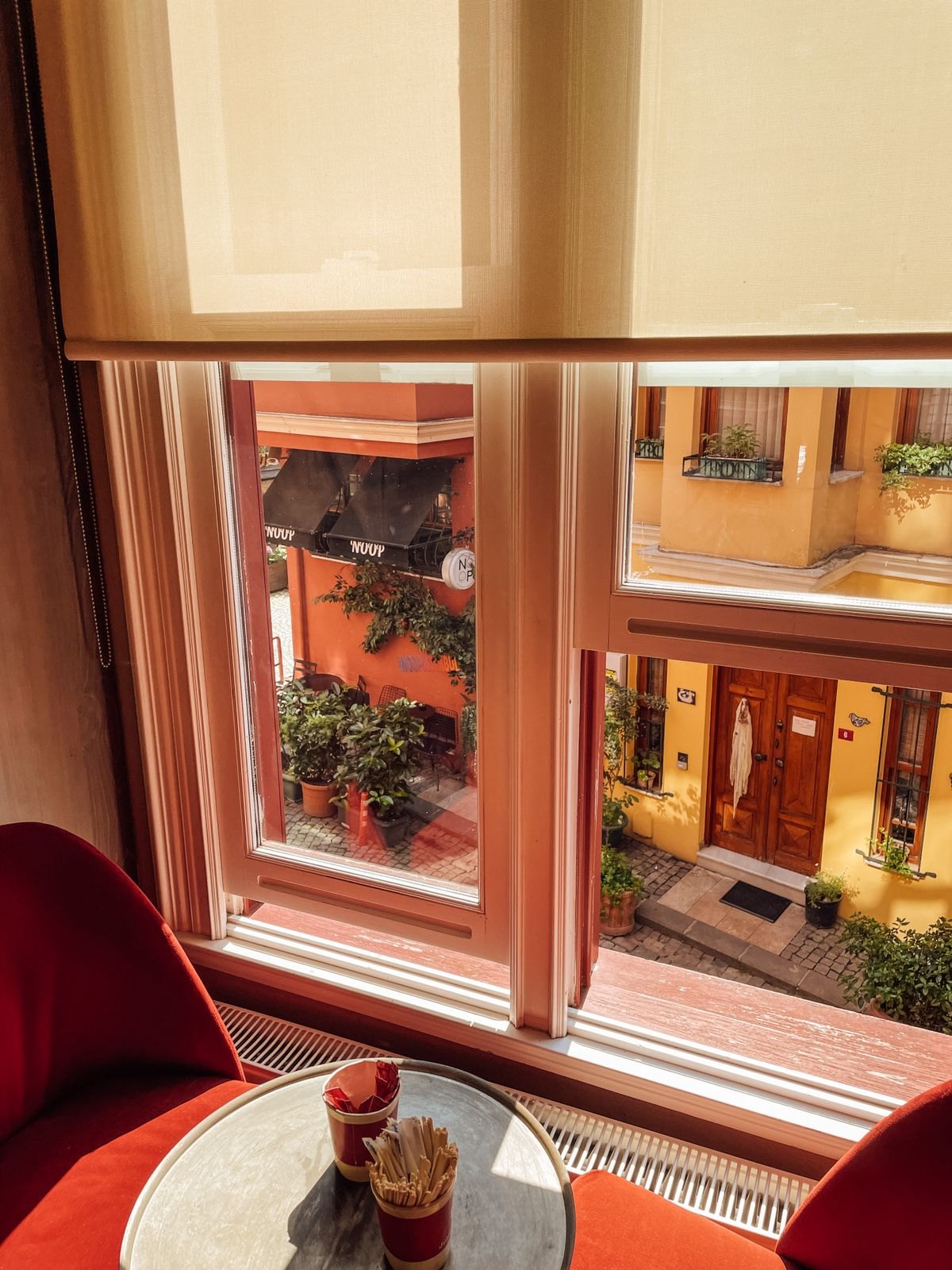
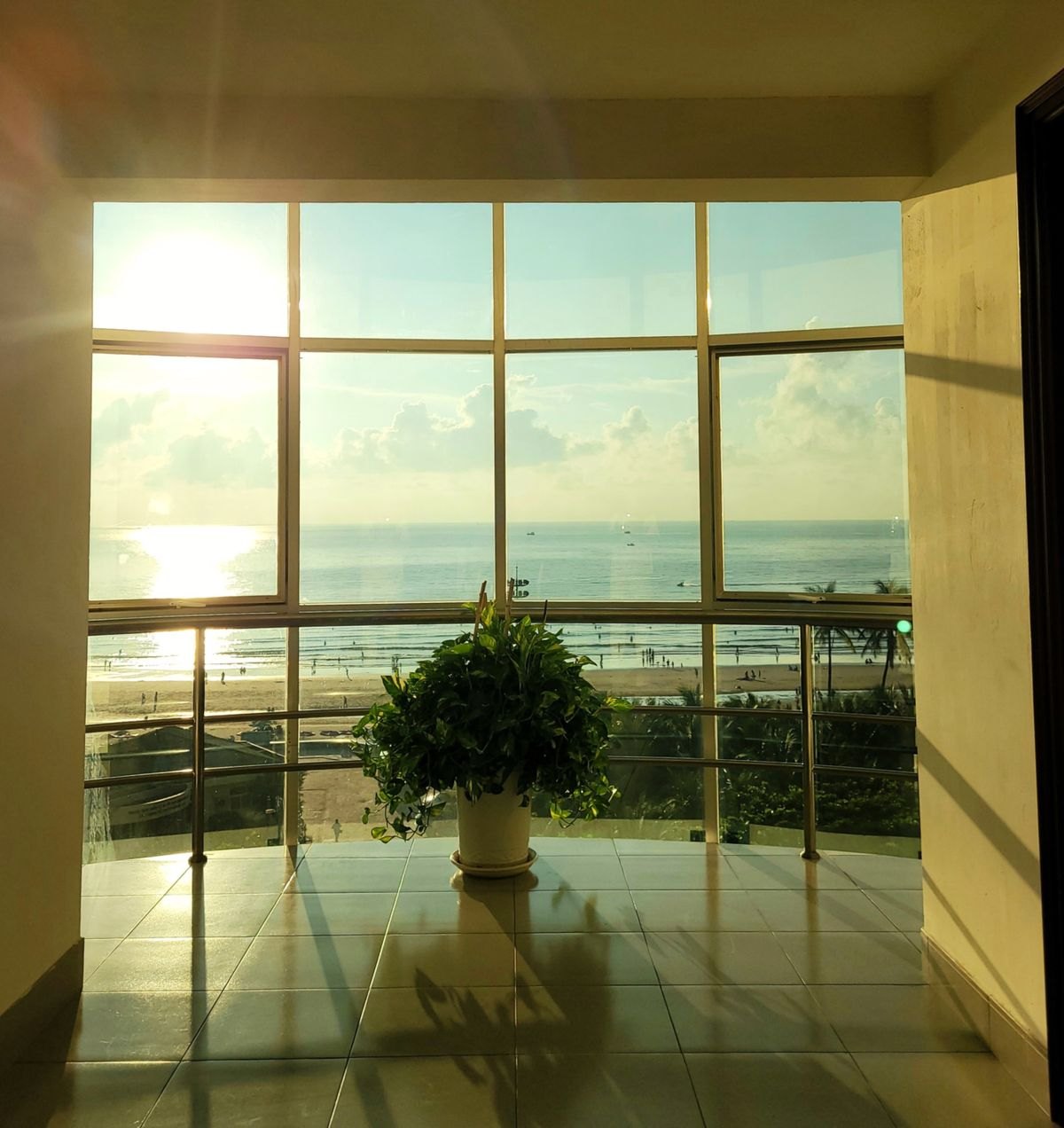
A sea view can add pleasure to a stay, but it does not answer questions about access, outdoor space or the surrounding streets.
Prepare a small set of arrival details and first-evening essentials so the apartment is easy to settle into after the journey.
A short message with specific unresolved questions is more useful than asking whether an apartment is suitable in general.
Understand the full key routine, including late arrival, separate outings and the final handover.
Compare the reservation's written conditions with the points at which your journey may change.
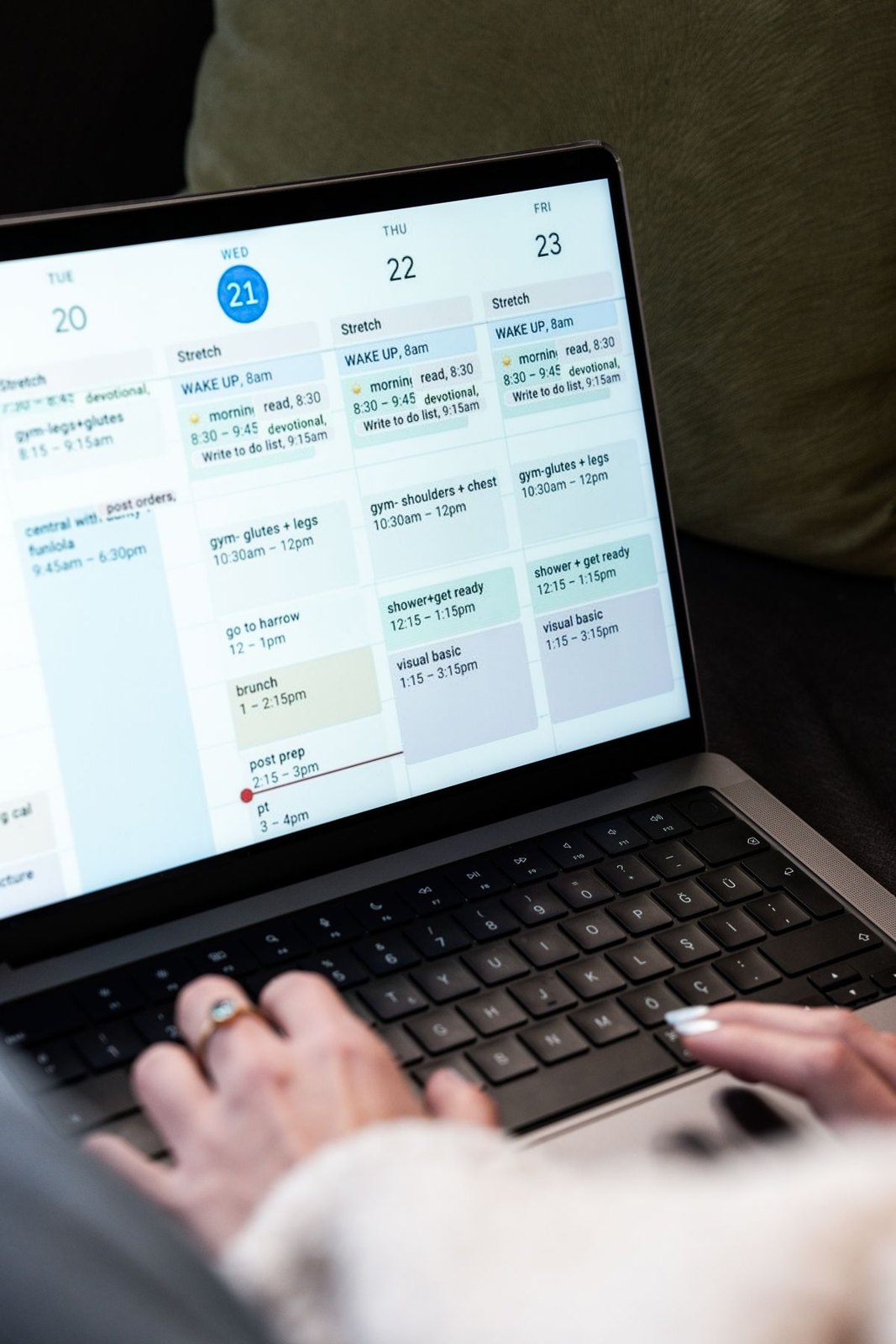
A laptop on a table in a photograph shows a possible use of the space, not a complete working arrangement.
A short list of non-negotiable features makes it easier to compare apartments without being distracted by attractive extras.
A hob, microwave and a few suitable utensils can support a useful meal plan, but confirm the actual kitchen before shopping.
For two couples, privacy and shared space depend on the route through the apartment as much as the bedroom count.
An apartment that sleeps six can offer several very different nights. Allocate actual beds before choosing a family layout.
Make arrival evening a short sequence of achievable jobs, with food and sleep taking priority over sightseeing.
Balcony and window details deserve specific questions before a family booking, followed by a careful check on arrival.
A beach apartment earns its convenience on the return journey, when bags are heavier and everyone is ready for a break.
A planned laundry day can reduce family luggage, provided the machine and drying arrangements genuinely fit the stay.
An easy apartment breakfast uses a small number of familiar ingredients and equipment that everyone can manage.
A buggy-friendly location depends on entrances, surfaces and crossings as much as the number of metres shown on a map.
Sharing with grandparents works best when bedroom choices, daily pace and private time are discussed before a property is booked.
Useful outdoor space is somewhere your family can actually sit, eat or take a break, with access and boundaries understood.
A rainy-day plan needs nearby options and a workable apartment routine, not a second holiday itinerary waiting in reserve.
The first family food shop should cover a few confirmed meals and leave room to discover what the holiday kitchen can do.
A short apartment pause can make the day easier without turning every afternoon into a long return-and-restart exercise.
Beach equipment stays manageable when it has a carrying limit, a drying place and a clear route out of the living space.
A studio and a two-bedroom apartment can both accommodate a family, but their daily compromises are quite different.
An apartment can make toddler mealtimes more flexible when seating, preparation space and shopping are arranged around your existing routine.
Pool photographs show the water; a family booking also needs to establish how the pool is reached, controlled and supervised.
A flexible family day out has one main purpose, a manageable journey and an easy point at which to head home.
Shared accommodation creates household work. Agreeing small, visible jobs helps keep that work from falling to the booking organiser.
When the living room becomes a bedroom, bedtime affects the whole apartment. Plan the transition before deciding the layout is suitable.
For short outings with children, a neighbourhood's ordinary streets and nearby stops matter as much as its headline attractions.
The hours between apartment checkout and a late flight need their own plan, especially when children and luggage are involved.
Children of different ages do not need identical activities all day, but they do need a plan that feels fair and manageable.
A small apartment can support a longer family stay if storage, sleeping arrangements and daily resets are designed around real use.
Bathroom numbers are only the start. A larger family needs to know where the facilities are and how morning routines will fit.
A shared holiday budget is easier to follow when accommodation, groceries and optional activities each have an agreed rule.
A simple departure routine keeps the last morning focused on leaving the apartment correctly and reaching the next stage of the journey.
A three-week booking deserves a different shortlist from a weekend break: ordinary routines will matter long after the first impression.
A month's food shopping works better as several small decisions than one large stock-up at the start of the stay.
Utility allowances need a clear unit, charging method and record of the starting position before a longer stay begins.
For a longer stay, the best neighbourhood may be the one that makes routine errands easy enough to forget about.
A longer-stay budget needs to separate the booking price, everyday spending and costs that continue at home.
A dining table can be a useful occasional desk, but a longer working stay needs a closer look at seating, light and shared use.
Storage matters more over several weeks, when living from open suitcases can take over an otherwise comfortable apartment.
A longer apartment stay needs a light cleaning routine and a clear understanding of which services the booking includes.
A longer car-free stay works best when everyday journeys are simple and occasional difficult trips have a realistic alternative.
A flexible weekly rhythm leaves room for ordinary tasks and spontaneous days without making the trip feel tightly scheduled.
Splitting a longer holiday between two apartments offers variety, but adds a move that should be priced in time as well as money.
For a winter apartment stay, comfort after sunset depends on the flat's heating and living arrangements as well as your packing.
Before a several-week booking, ask about known works in the apartment, building and immediate surroundings using your actual travel dates.
Laundry planning depends on how clothes will dry, especially when the apartment has little outdoor space or changeable conditions.
A longer trip is easier to manage when confirmations, contact details and household arrangements are stored where you can actually find them.
Different sleep, work and meal routines can coexist in one apartment when the shared spaces and quiet periods are agreed explicitly.
Knowing the reporting process for a faulty appliance can prevent a small household problem from disrupting several days of a longer stay.
The first week is a chance to learn the apartment and neighbourhood gradually, without spending the entire arrival day on household administration.
Visitors need an explicit arrangement when you are staying in someone else's apartment, even if the flat appears to have spare space.
The final days of a longer stay call for a smaller shopping list based on remaining meals, not the habits of a full week.
A longer visit deserves a detailed review of access needs across the apartment and the routes you will use repeatedly.
A short written record of services and charges makes a longer stay easier to manage from the first payment to the final handover.
The final week of a month-long stay is easier when shopping, laundry and departure arrangements gradually shift towards the journey home.
Use a Barcelona market visit to plan one good apartment meal, leaving heavy and chilled purchases until the return journey.
Make Retiro the centre of a slower Madrid day, with one park walk, a proper pause and a manageable return to the apartment.
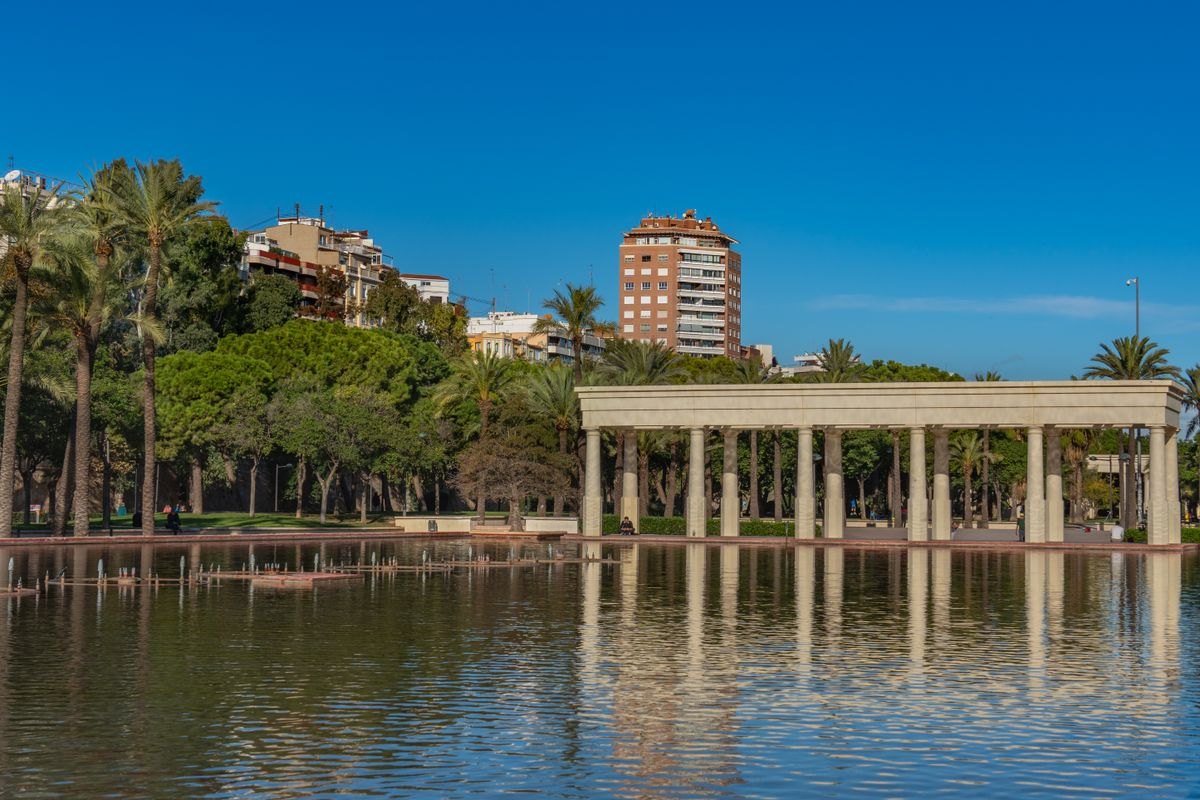
Choose a manageable section of the Turia Gardens, with an entrance and exit that connect naturally to your Valencia apartment.
Give Triana its own unhurried outing, using the bridge, market and riverfront as anchors without carrying groceries around all day.
Use Malaga's port promenade as the centre of a flexible outing, with a beach extension only if the group wants it.
Use Alicante's Explanada as an orientation walk, then finish with the small errands that make the apartment easier to use.
Plan one Granada uphill outing at a time, separating a flexible neighbourhood walk from any timed Alhambra visit.
Use Cordoba's Roman Bridge as a clear anchor for a short walk, leaving space for a pause and a return through the historic streets.
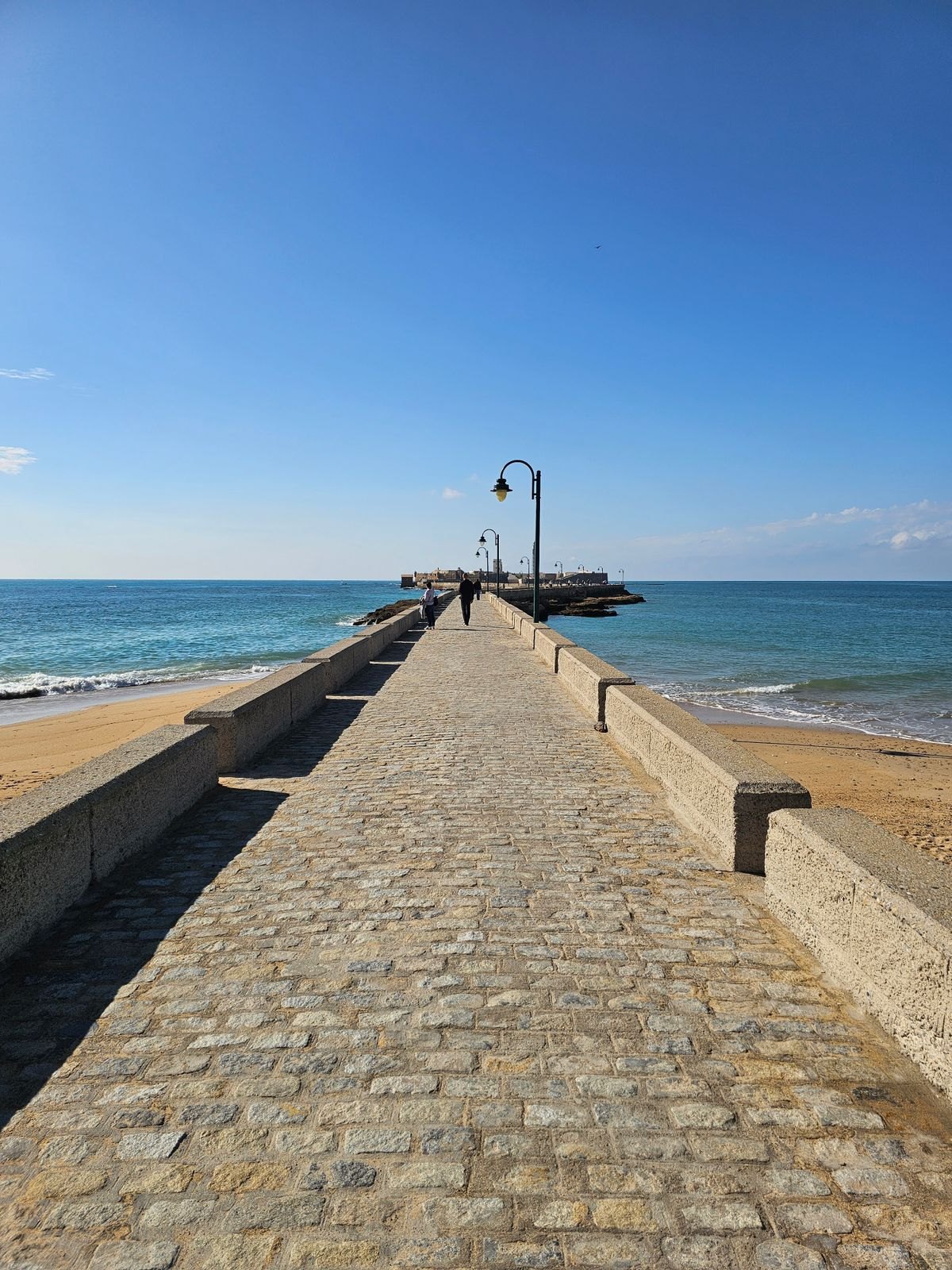
Divide a Cadiz beach-and-city day into two manageable outings, so the apartment can absorb the towels, shopping and change of clothes.
Use Bilbao's estuary to understand the city, choosing a short riverside section and one inland return rather than an ambitious first-day circuit.
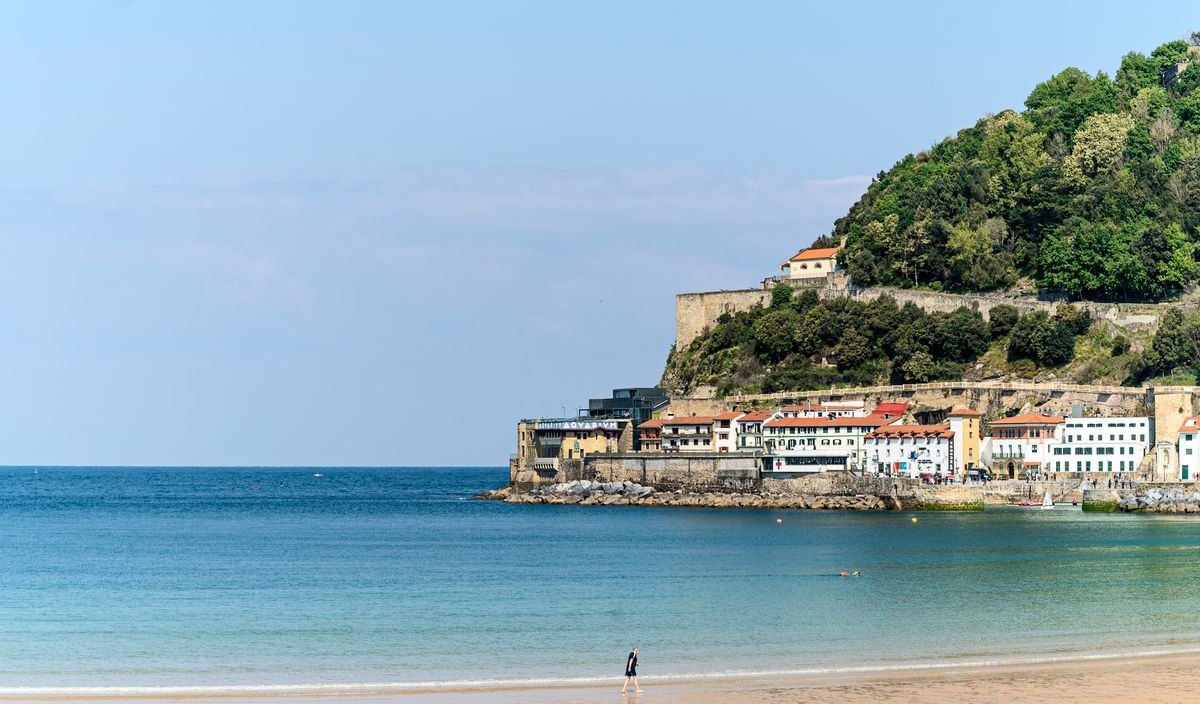
Plan a San Sebastian beach day around one shore, current conditions and an easy return, keeping city sightseeing separate from the beach bag.
Connect Palma's old-town streets with the cathedral and Parc de la Mar, keeping the route short enough for an apartment lunch break.
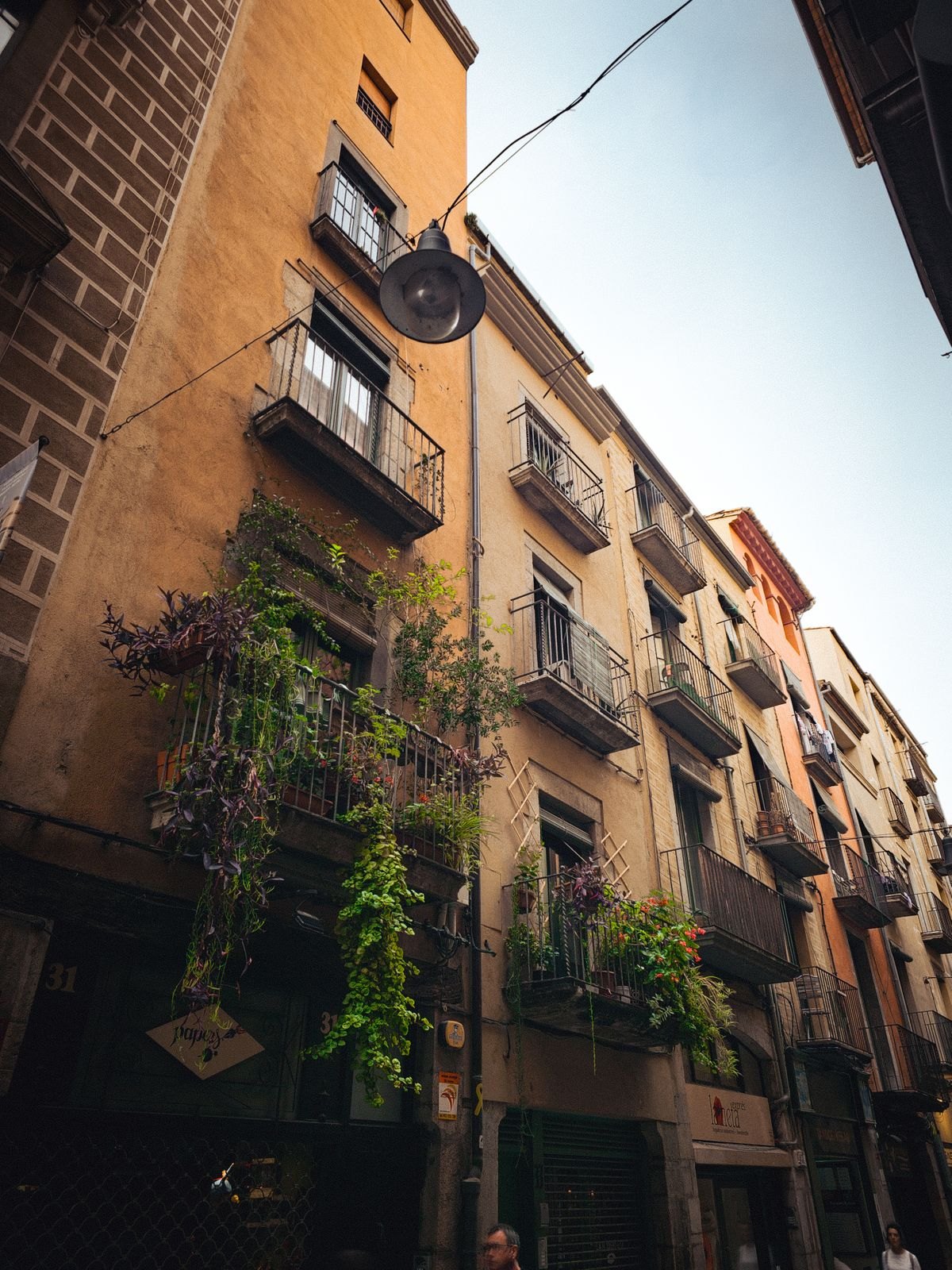
Begin Girona with the Onyar and a small part of the old town, leaving stairs and longer historic walks for a deliberate decision.
Choose one cluster of Tarragona's historic sights, then return for lunch before deciding whether to add a coastal walk.
Make a Sitges promenade day adjustable, with a clear turnaround point and a beach stop that suits the conditions.
Use the Balcon de Europa as the focus of a Nerja town walk, keeping beach descents and longer excursions as separate choices.
Use Estepona's old-town squares and flower-decorated streets for a first morning that also helps you learn your everyday surroundings.
Plan Marbella's old town as a distinct outing from a beach base, with a clear arrival point and an agreed way home.
Choose one part of Fuengirola's promenade for a car-free day, adding a town stop and a practical return rather than walking the whole coast.
Keep Benidorm's beach morning and old-town afternoon distinct, using the apartment for the change of clothes and a proper pause.
Treat Altea's seafront-to-old-town walk as an outing with a climb, carrying less and choosing a return that suits the group.
Build a Calpe day around the shore and views of Ifach without treating a mountain climb as a compulsory extension.
Connect Denia's port area with one town-centre outing, keeping waterfront viewing separate from working harbour spaces and grocery shopping.
Give Javea's port and Arenal separate blocks of time, so the journey between them does not quietly consume the whole day.
Use Las Canteras for a day of short outings and apartment breaks, keeping wider Las Palmas sightseeing as a separate choice.
Keep a Puerto de la Cruz town walk enjoyable on its own, adding beach time only when current access and conditions suit the day.
Plan Corralejo town and the dunes as separate outings, giving the exposed landscape its own transport, supplies and return arrangement.
Choose a short Puerto del Carmen seafront route and combine it with one useful errand, accounting for the final walk back inland.
No guides match. Try a place name, a shorter phrase or reset the filters.